


Important information:
Am 10. April 2024 wurden das Kundenportal sowie der Web-Zugriff auf das Kartenkonto eingestellt. Bitte laden Sie die Swiss Bankers App herunter, um weiterhin uneingeschränkten Zugriff auf alle Dienste zu haben.
Are you a Swiss Bankers sales partner?
Hier geht es zum Partnerportal.
Paying more abroad without realising it? It can happen faster than you think. After all, it’s not just bank charges but also unfavourable exchange rates that can put a strain on your holiday budget. One often-overlooked cost trap is what’s known as Dynamic Currency Conversion (DCC). In this article, you’ll find out what lies behind this instant currency conversion, why it can end up costing you dearly, and how to avoid unnecessary costs.
 29.10.2026
 Miryana

Perhaps this has happened to you whilst abroad: you want to pay by card in a restaurant or shop, and suddenly a message appears on the card terminal asking whether you’d like to pay the amount in the local currency or in Swiss francs. The display might show, for example, ‘Pay in EUR’ or ‘Pay in CHF’.
This is exactly where Dynamic Currency Conversion (DCC) comes into play. It involves an instant conversion, whereby the amount is converted directly into your card’s currency. This means you can see exactly how many francs you’ll be charged as you pay.
This may sound convenient at first, but there’s a catch: the exchange rate is set by the merchant’s payment service provider. This may include a mark-up, meaning you end up paying more than necessary.
That’s why it’s worth knowing the difference:
Important: You do not have to accept the instant conversion offered. You can always choose to pay in the local currency when making a payment.

A few francs more for the same bill? That’s exactly what can happen if you choose to have the amount converted into Swiss francs when paying. Let’s say you’re on holiday in Italy and pay a hotel bill of 200 euros.
Here’s what the bill might look like:
So, for the same hotel bill, you pay CHF 10 more with DCC, which is around 5.3 per cent. The exchange rates are for illustrative purposes only; other possible card fees are not included.
With a single payment, the difference may hardly be noticeable. However, if you regularly pay in Swiss francs whilst on holiday – whether in restaurants, at hotels or when shopping – the extra costs can quickly add up.
You want to withdraw cash whilst abroad. Just before the cash machine dispenses the money, a question appears on the screen: Do you wish to accept or decline the currency conversion? The wording can be somewhat confusing. Particularly with English-language cash machines, it is not always immediately clear which option is the right one.
You should therefore look out for the following terms:
Don’t worry: if you decline the conversion, you are not cancelling the cash withdrawal. You are simply opting out of the DCC exchange rate offered.
Good to know: Fees may still apply even without DCC. Some ATM operators charge their own withdrawal fee, and depending on your card, further costs may arise. You should therefore check the fees displayed before confirming the cash withdrawal.
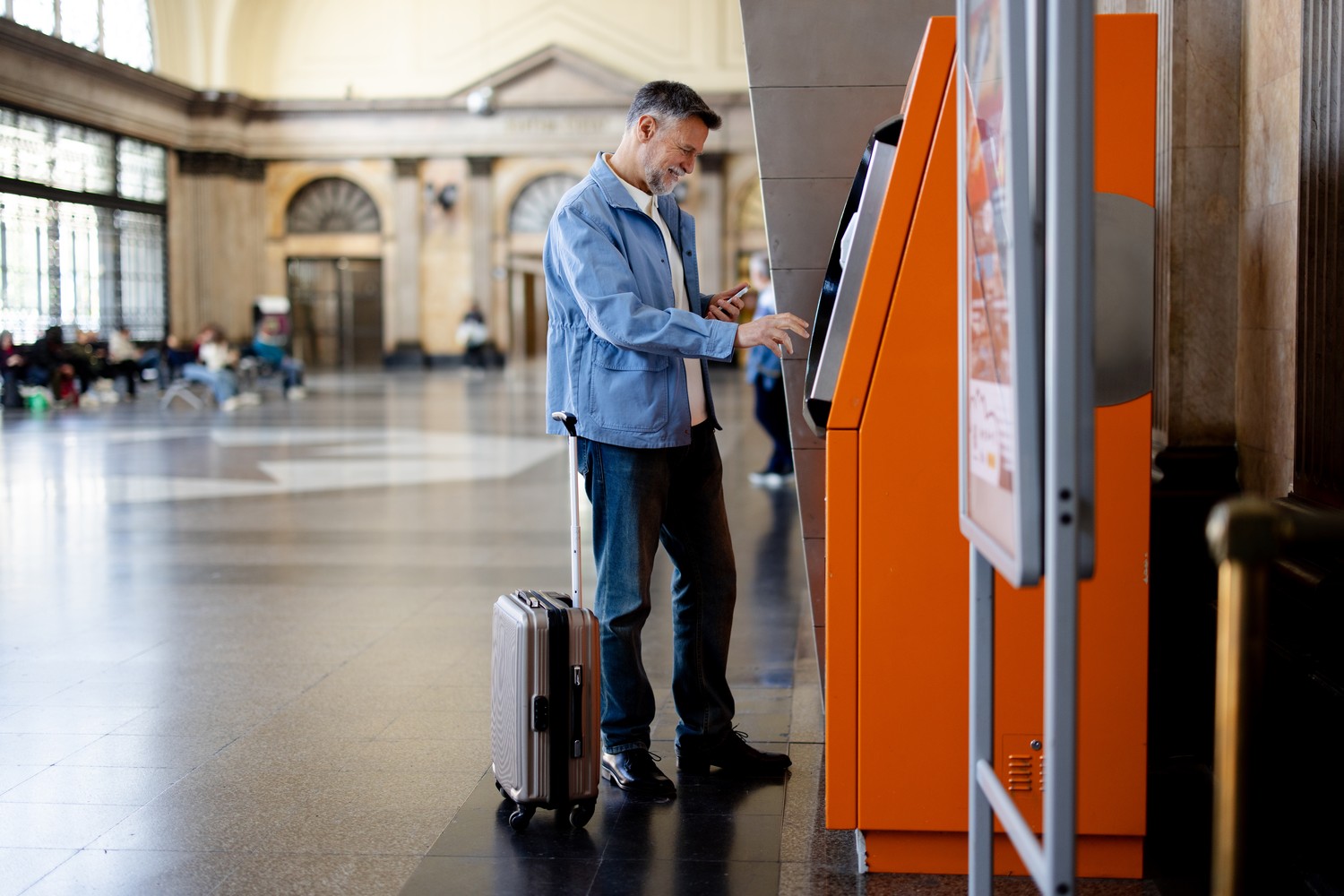
You’ve just paid at a restaurant and only realise when you look at the receipt that the amount was charged in Swiss francs rather than the local currency. What should you do now?
If the payment has already been completed, you can ask the retailer whether the transaction can be cancelled and reprocessed in the local currency. However, it is not always possible to make such a change retrospectively.
The situation is different if the conversion was carried out without your consent. You have the right to decide on the currency yourself. If the merchant has made this decision for you, you should keep the payment receipt and contact your card provider. They can check whether a complaint is possible.
If, on the other hand, you confirmed the conversion yourself, it is generally not possible to make a complaint solely on the grounds of an unfavourable exchange rate.

When paying abroad, a little care can often save you money. These three tips will help you avoid unnecessary costs caused by DCC:
Preparation tip: Would you like to have some local currency with you on arrival? With the Swiss Bankers app, you can order cash in over 60 currencies and have it conveniently delivered to your home. This saves you the hassle of searching for a cash machine straight after you arrive. You can view the exchange rate and fees before placing your order.

Whether you’re having dinner in Rome, shopping in London or using a cash machine in Thailand – choosing the right currency can make a difference. Even if being charged in Swiss francs seems more convenient at first glance, there’s often an unfavourable exchange rate behind it.
So next time, take a quick look at the display before confirming your payment. By choosing the local currency, you’ll avoid unnecessary DCC surcharges and may save a few francs on every payment. This can certainly be worth it, especially on longer holidays.

© Swiss Bankers 2026


