Important information:
Am 10. April 2024 wurden das Kundenportal sowie der Web-Zugriff auf das Kartenkonto eingestellt. Bitte laden Sie die Swiss Bankers App herunter, um weiterhin uneingeschränkten Zugriff auf alle Dienste zu haben.
Are you a Swiss Bankers sales partner?
Hier geht es zum Partnerportal.
The suitcases are packed, the excitement is building – but is your travel budget ready for the holidays? If you sort out your payment methods, cash and important safety precautions before you set off, you’ll be able to travel with greater peace of mind. Find out how to prepare your travel budget effectively, minimise financial risks and protect yourself against unexpected situations whilst abroad.
 21.10.2026
 Eliza
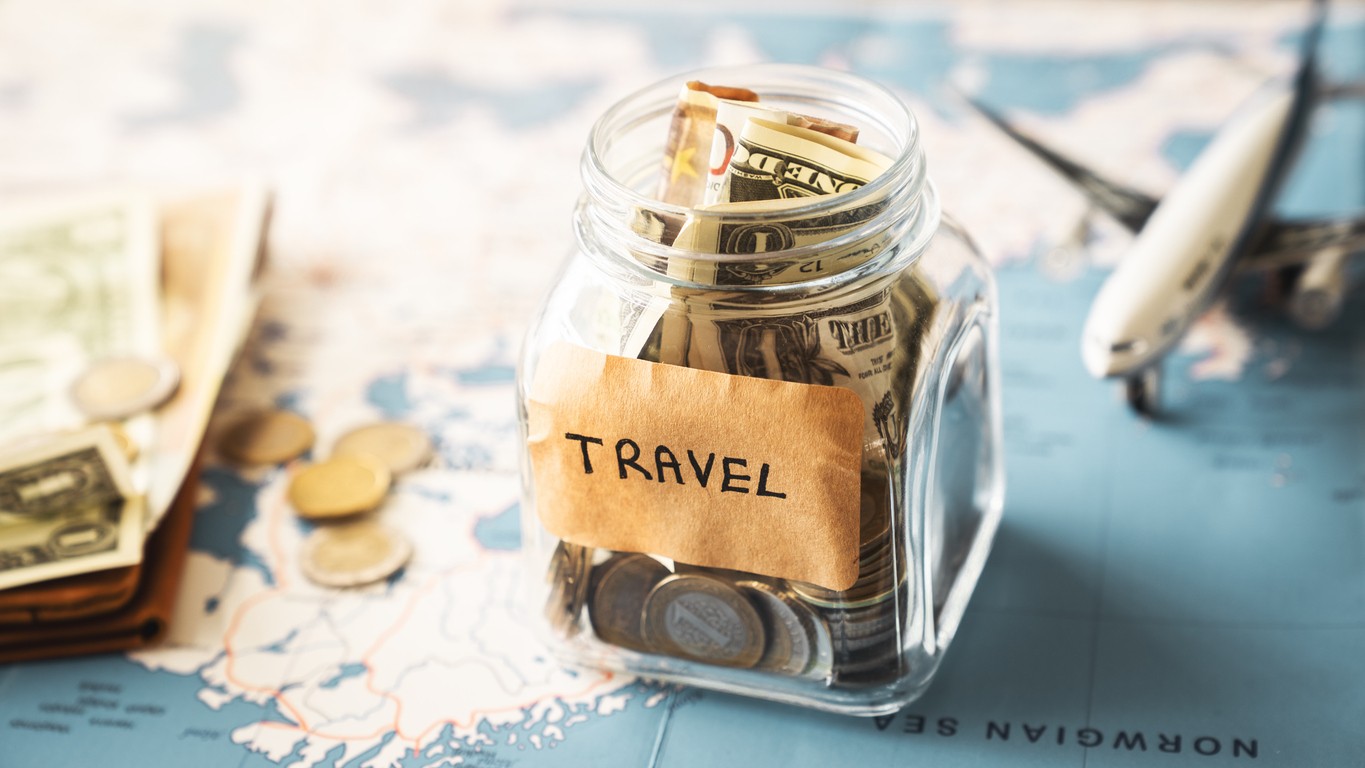
Whether it’s a city break, a beach holiday or a round trip: a well-planned travel budget helps you keep your spending under control and avoid financial difficulties. Before you set off, work out how much money you’ll need for accommodation, meals, transport, excursions and personal shopping. Also, find out about the cost of living at your destination and any potential additional costs.
Use these tips to prepare your travel budget:
Set a budget: Calculate your expected expenses and take into account smaller costs such as tips, admission fees or local charges.
Allow for a financial buffer: As a rough guide, you can set aside an additional 10 to 20 per cent of your travel budget. For long-haul trips or remote destinations, a higher buffer may be advisable.
Top up your Travel Card in good time: Make sure your Swiss Bankers Travel Card has sufficient credit. You can check your balance at any time in the Swiss Bankers app and top up your card if necessary.
Monitor your spending: Use the app’s transaction history to keep track of your payments and spot any unusual debits at an early stage.
The Swiss Bankers Travel Card offers an important security advantage: as a prepaid card, it is not directly linked to your bank account. You pay using the credit you have topped up beforehand, thereby limiting the financial risk in the event of potential card misuse.

Even with a well-prepared travel card, it’s advisable not to rely solely on a single payment method. If a card is stolen, damaged or not accepted at a particular outlet, having an alternative is particularly valuable.
How to put together your travel budget:
Swiss Bankers Travel Card: Use your rechargeable prepaid card for day-to-day travel expenses, shopping and cash withdrawals.
Additional bank card: Take another debit or credit card with you, ideally from a different provider. A standard credit card, for example, can be useful for certain car hire bookings.
Cash reserve: Keep a small amount in the local currency to hand, for example for when you arrive, for tips or for small purchases.
Keep your payment methods separate: Spread your payment methods across different secure locations so that you are not left without money if you lose a bag.
Before you set off, check which payment methods are commonly used in your destination country. In some countries, you can pay by card almost everywhere, whilst in others, cash is essential.
If you need foreign currency before you set off, you can order it via the Swiss Bankers cash service.
Tip: You can find detailed information on card fees, currency conversion and cash withdrawals in our guide ‘Tips for your travel budget: Paying and withdrawing money abroad’.
The Swiss Bankers Travel Card offers various security features that allow you to protect your travel funds from unauthorised access. The Swiss Bankers app is particularly handy: it enables you to manage key card settings yourself and react quickly to any suspicious activity.
You should check these five security settings before you travel:
Adjust geoblocking: Under ‘Card settings & PIN’, you can block countries or regions for in-person payments. Check before you leave that your destination is authorised.
Enable push notifications: Receive notifications about card transactions. This allows you to spot unusual debits at an early stage.
Check payment functions: In the app, you can disable and re-enable certain functions, such as contactless payments or online purchases, as required.
Check your PIN: Make sure you know your card PIN. If necessary, you can change it via the Swiss Bankers app.
Familiarise yourself with card blocking: Before you set off, make sure you know how to block your card immediately in the event of loss or suspected fraud.
With these settings, you can specifically enhance the security of your Travel Card and reduce the risk of card misuse. It’s best to check your card settings before you set off so that you can make secure and flexible payments whilst travelling.
As well as secure payment methods, adequate insurance cover is also part of financial travel preparation. After all, an unexpected illness, a curtailed trip or lost luggage can quickly lead to high costs.
You should check the following insurance policies before you set off:
Travel health insurance: Check which medical treatments your existing health insurance covers whilst abroad and whether additional cover is required. Pay particular attention to potential treatment costs and medical repatriation.
Travel cancellation insurance: Under certain conditions, this can cover costs if you are unable to go on a booked trip for an insured reason.
Trip interruption insurance: If a trip has to be cut short unexpectedly, this type of insurance can limit financial losses.
Luggage insurance: Depending on the scope of cover, this provides protection in the event of damage, loss or delayed arrival of your luggage.
TravelProtect: Additional travel cover with your Travel Card
With TravelProtect, Swiss Bankers offers supplementary travel insurance for Travel Card holders. If you top up your Travel Card with at least CHF 1,000, EUR 1,000 or USD 1,000, you can activate the insurance free of charge for twelve months. It is important to activate the cover before paying for your trip, as cover only begins the following day. Furthermore, the insured travel services must be paid for in full using the Travel Card. Further information on the eligibility criteria and benefits can be found in our article ‘Travel cover with the Swiss Bankers Travel Card: What travellers need to know’.
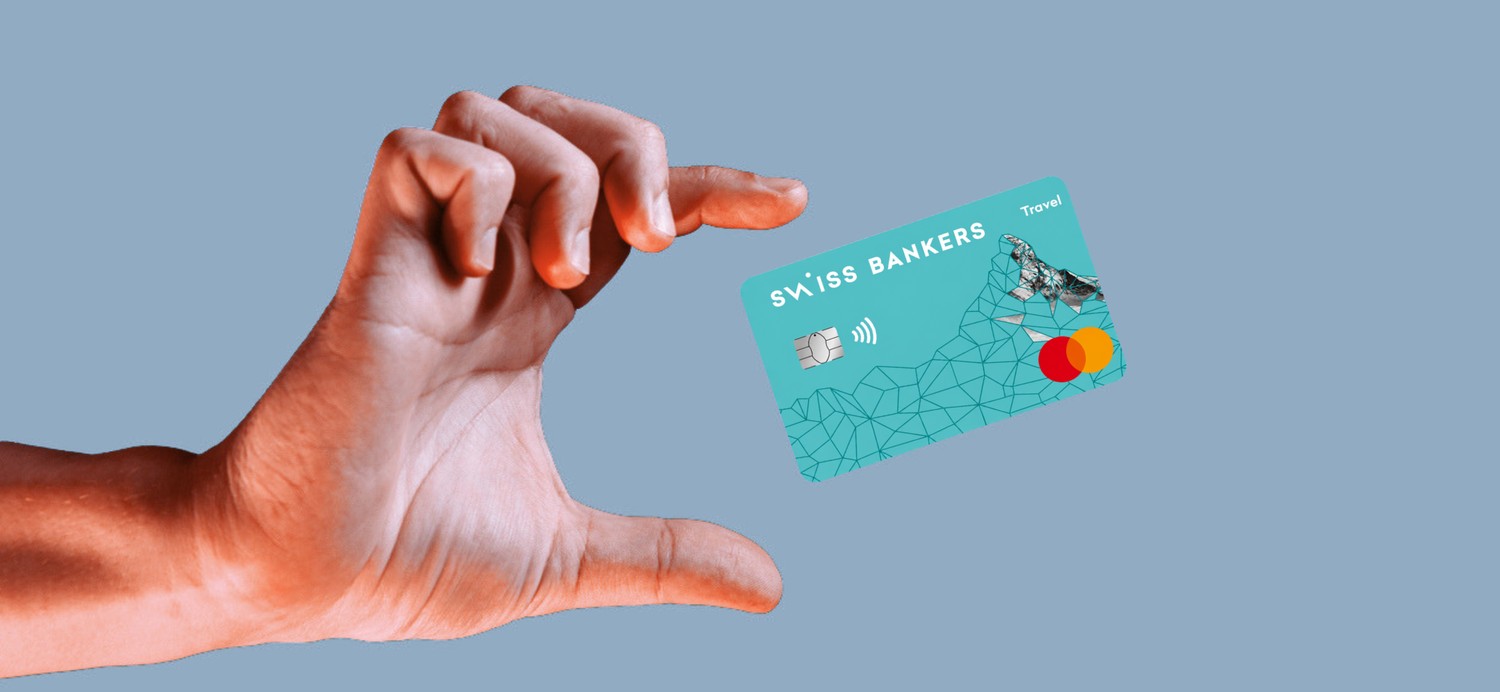
Even with careful preparation, things can go wrong whilst travelling. It is therefore important to know, before you set off, how to react if your card is lost or if you suspect fraud.
Lost your Swiss Bankers card or spotted a suspicious payment?
Block your card immediately: In the Swiss Bankers app, go to ‘Card settings & PIN’ and select the ‘Replace card’ function. This will block your current card and initiate the process of ordering a replacement card.
Contact customer service: If you do not have access to the app or are abroad, contact Swiss Bankers customer service immediately. They will assist you with blocking your card and arranging a replacement.
Report suspicious transactions: Check your card transactions and, in the event of unauthorised debits, submit the official dispute form.
Use alternative payment methods: Until you receive your replacement card, use your additional bank card or cash reserves.
Good to know: In the event of loss or theft, your Swiss Bankers Travel Card, including any remaining balance, will be replaced free of charge worldwide. The replacement card will be sent by courier and usually arrives within three working days. Whilst abroad, you can arrange for a replacement card via Swiss Bankers Customer Service.
Conclusion: A well-prepared travel budget won’t protect you from every surprise, but it does help to reduce financial risks. By planning your budget realistically, combining different payment methods, checking important security settings and sorting out your insurance cover in good time, you’ll lay a solid foundation for your trip. With an additional emergency fund and a clear plan for emergencies, you can enjoy your holiday with far greater peace of mind.

© Swiss Bankers 2026