Travel advice for Italy.

Here you will find important tips and useful information for Italy.
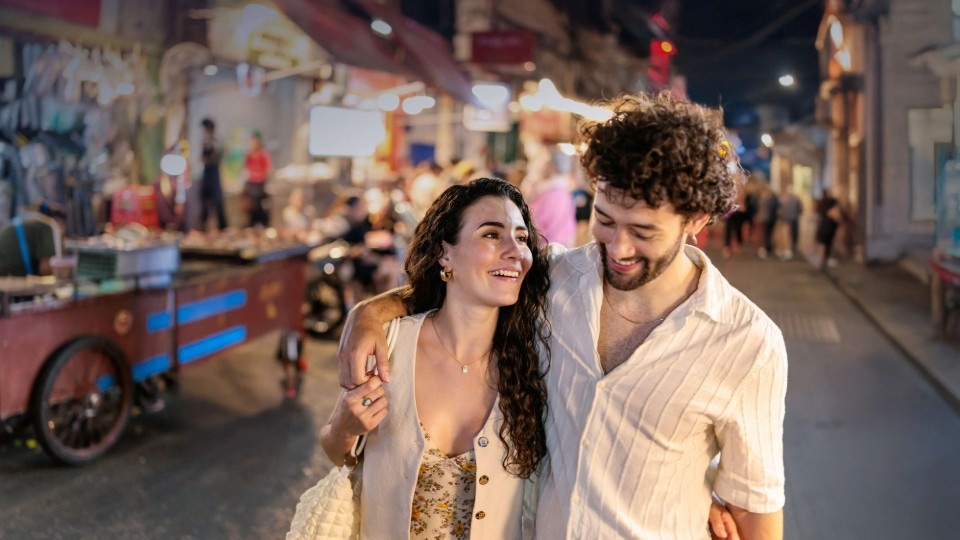
Order Euro.
Delivered to your doorstep.

Over 60 currencies at the click of a button – order today, delivered tomorrow. Safe and convenient, with no need for a branch. Available exclusively and only orderable in the app with a Swiss Bankers card.

Learn more
Italy
Import local currency unlimited; the equivalent of EUR 10'000.00 or more must be declared
Import foreign currency unlimited; EUR 10'000.00 (equivalent) or more must be declared
Export local currency unlimited; the equivalent of EUR 10'000.00 or more must be declared
Export foreign currency unlimited; EUR 10'000.00 (equivalent) or more must be declared

Useful tips from our experts:

Practical Information:

Time difference with Switzerland

+/- 0 h

Capital

Rome

National language

Official language

Italian

Language capabilities

English; regionally also German and French

Voltage

230 volts / 50 Hz. Socket types C, F and L are the most common in Italy. An adapter may be required for Swiss type J plugs

Opening hours

Banks

8.30 am - 1.30 pm and 3.00 pm - 4.00 pm (Mon - Fri)


Shops

9.00 am - 1.00 pm and 3.30 pm - 7.30 pm (Mon - Sat)
Opening hours vary by region. Supermarkets and shopping centres generally have longer opening hours and may stay open until late in the evening or even on Sundays, particularly in larger cities.


Public holidays
  • 1 January: New Year’s Day (Capodanno)
  • 6 January: Epiphany (Epifania)
  • Easter Sunday (Pasqua) and Easter Monday (Lunedì dell'Angelo)
  • 25 April: Liberation Day (Festa della Liberazione)
  • 1 May: Labour Day (Festa del Lavoro)
  • 2 June: Republic Day (Festa della Repubblica)
  • 15 August: Assumption of Mary (Assunzione di Maria)
  • 1 November: All Saints’ Day (Tutti i Santi)
  • 8 December: Immaculate Conception (Immacolata Concezione)
  • 25 December: Christmas Day (Natale)
  • 26 December: St Stephen’s Day (Santo Stefano)
Entry requirements

Italy is part of the Schengen Area. The following information is intended for Swiss citizens residing in Switzerland.

The following documents are required to enter Italy:

  • A valid Swiss identity card or a valid Swiss passport
  • No visa is required.
  • Minors: a travel authorisation is recommended for minors travelling alone, with only one parent or without their parents. More information: Travel authorisation for trips with children.

- Information last updated in October 2026 -

Climate

Northern Italy (Milan, Venice, Turin):

  • Winter (December to February): average temperatures of 0°C to 10°C, with occasional frost and snowfall.
  • Summer (June to August): average temperatures of 25°C to 35°C, with occasional heatwaves exceeding 35°C.
  • Spring and autumn: average temperatures of 10°C to 20°C, with mild temperatures and pleasant weather.

Central Italy (Rome, Florence):

  • Winter: average temperatures of 5°C to 15°C, with rare frost and snowfall.
  • Summer: average temperatures of 25°C to 35°C, with occasional heatwaves exceeding 35°C.
  • Spring and autumn: average temperatures of 15°C to 25°C, with mild temperatures and pleasant weather.

Southern Italy (Naples, Sicily, Apulia):

  • Winter: average temperatures of 10°C to 15°C, with rare frost and rain.
  • Summer: average temperatures of 30°C to 40°C, with hot and dry conditions.
  • Spring and autumn: average temperatures of 20°C to 30°C, with warm and pleasant weather.

Alpine regions (Dolomites, South Tyrol):

  • Winter: average temperatures of -5°C to 5°C, with abundant snowfall and cold conditions.
  • Summer: average temperatures of 15°C to 25°C, with mild and pleasant temperatures.
  • Spring and autumn: average temperatures of 5°C to 15°C, with cool temperatures and beautiful scenery.

The perfect time for your trip to Italy:

  • Beach holidays: May-Oct.
  • City breaks: ideal all year round; spring/autumn for the south.
  • Winter holidays: December to April, depending on altitude and snow conditions.
Communications
  • Mobile phone use: charges may apply when using a mobile phone in Italy (roaming). It is advisable to check roaming charges before travelling and, if necessary, purchase a special roaming package to reduce costs.
  • Wi-Fi: free Wi-Fi is available in many hotels, restaurants, bars, public transport services and tourist attractions in Italy. The nationwide WiFi Italia network also offers numerous free public hotspots in cities and municipalities.
  • Prepaid SIM cards: prepaid SIM cards or eSIMs can be purchased locally for mobile data and calls. Major Italian mobile network providers include TIM, Vodafone, WINDTRE and iliad. A lower-cost alternative is ho. Mobile, a mobile brand operating on the Vodafone network. Some providers also offer special packages for tourists.
Tourist attractions
  • Colosseum (Rome): an iconic Roman amphitheatre

  • Vatican City (Rome): the smallest independent state in the world

  • Pompeii and Herculaneum (Campania): the ancient cities buried by the eruption of Mount Vesuvius in AD 79

  • Leaning Tower of Pisa (Pisa): the world-famous leaning bell tower

  • Florence (Tuscany): Florence is the capital of Tuscany and is known for its art and architecture.

  • Venice: the city of canals with its gondolas, palaces and impressive St Mark’s Basilica

  • The Amalfi Coast (Campania): a breathtaking coastal landscape with picturesque villages such as Positano, Amalfi and Ravello perched on steep cliffs above the sea.

  • Milan Cathedral (Milan): an impressive Gothic cathedral

  • Ruins of Paestum (Campania): an archaeological site with well-preserved Greek temples

  • Cinque Terre (Liguria): five picturesque villages along the Ligurian coast, known for their colourful houses, terraced vineyards and hiking trails.

  • Siena in Tuscany: a medieval city with an impressive cathedral, a picturesque square and a rich history.

  • The Italian Adriatic coast stretches along Italy’s eastern coastline and is known for its picturesque beaches and historic coastal cities such as Venice and Rimini. Its clear blue waters and wide range of leisure activities make it a popular holiday destination.

  • Capri (Campania): a picturesque island in the Gulf of Naples with breathtaking scenery, caves and luxurious villas.

Travel inspiration

Be inspired by our blog articles and discover Italy’s most fascinating destinations:

Regions:

  • Aosta Valley: the most beautiful sights

  • Apulia: 10 sights for unforgettable experiences

  • Capri: island gem in the Gulf of Naples

  • Elba: island guide featuring top sights, insider tips and activities

  • Emilia-Romagna: 10 highlights you should not miss

  • Calabria: the top 10 highlights in Italy’s undiscovered south

  • Campania: the top 10 highlights from Naples to Capri

  • Liguria: The jewels of the Ligurian coast

  • Lombardy: the top 10 sights

  • Piedmont: highlights at the foot of the mountains

  • Sardinia: the most beautiful beaches and most magical places

  • Sicily: the 10 highlights of the largest Mediterranean island

  • Tuscany: 10 insider tips for your trip to Tuscany

  • Trentino-South Tyrol: Alpine scenery and Mediterranean flair

  • Umbria: 11 insider tips in Italy’s green heart

  • Veneto: the region’s 10 most beautiful highlights

Cities and places:

  • Bologna: top sights and insider tips

  • Lecce: sights and insider tips for your trip to Apulia

  • Siena: Sights & hidden gems in Tuscany

  • Florence: sights and insider tips in the heart of Tuscany

  • Genoa: insider tips and sights in the Ligurian port city

  • Milan: insider tips and sights away from the fashion mainstream

  • Naples: 10 sights for food lovers and explorers

  • Palermo: sights and insider tips in the capital of Sicily

  • Pisa: top sights around the legendary tower

  • Positano: spring awakening on the Amalfi Coast

  • Rome: 10 special sights away from the crowds

  • Trieste: the most beautiful sights and insider tips on the Adriatic

  • Turin: 10 insider tips for the Italian metropolis

  • Venice: sights and insider tips off the tourist trail

  • Verona: the most beautiful sights and insider tips

Other:

Food and drink

Italian cuisine is known for its wide variety of regional delicacies. Each region has its own specialities, ingredients and culinary traditions, shaped by its geographical location, climate and cultural influences. Particularly typical of Italy are:

  • Pasta and pizza: pasta and pizza are probably the best-known dishes in Italian cuisine. There are countless pasta shapes and sauce variations, including spaghetti Bolognese, tagliatelle al tartufo and penne all’arrabbiata. Pizza originated in Naples and can be prepared with a wide variety of toppings, from Margherita to Quattro Stagioni.
  • Antipasti: antipasti are starters often served before the main course and include a wide variety of meats, cheeses and vegetables.
  • Aperitivo: aperitivo is a popular Italian tradition in which alcoholic drinks and snacks are enjoyed before dinner.
  • Wine and espresso: Italy is one of the world’s most important wine-producing countries and produces a wide range of wines, including Chianti, Barolo, Prosecco and Brunello di Montalcino. Espresso is the preferred coffee of Italians and is often enjoyed after meals.
  • Seafood and fish: thanks to its long coastline, Italy offers an abundance of seafood and fish dishes, particularly in coastal regions such as Sicily, Campania and Liguria.
  • Cheese and olive oil: Italy is famous for its wide variety of cheeses, including Parmigiano Reggiano, mozzarella, gorgonzola and pecorino. Olive oil is a staple of Italian cuisine and is used in many dishes.
  • Dolci and gelato: dolci are Italian desserts encompassing a wide range of treats such as tiramisu, cannoli, panna cotta and zabaglione. Gelato, Italian ice cream, is popular worldwide and is available in countless flavours.

Trattorie and osterie are traditional establishments serving simple and authentic Italian dishes. These establishments often offer a cosy atmosphere and an opportunity to enjoy the local cuisine. Italy also hosts numerous culinary festivals and events throughout the year celebrating the richness and diversity of Italian cuisine. These include wine and cheese festivals, truffle markets and regional food celebrations. You can also read our dedicated blog article on culinary specialities in Rome.

Etiquette tips
  • Greetings: a friendly handshake is a common form of greeting in Italy. A friendly “Buongiorno” during the day or “Buona sera” in the evening is also essential. Use formal forms of address such as “Signore” (Mr) and “Signora” (Mrs/Ms) unless you are invited to use a more informal form.
  • Saying please and thank you: “Per favore” for “please” and “Grazie” for “thank you” demonstrate good manners and are always appreciated.
  • Clothing: appropriate clothing is required at religious sites such as churches and basilicas. Avoid wearing shorts or sleeveless tops.
  • Dining culture: Italian meals are social occasions when family and friends come together to eat and chat. Wine is often served with individual courses, and an espresso or caffè rounds off the meal.
  • Smoking: smoking is prohibited in public buildings, restaurants, bars and public transport. Depending on the city, additional smoking restrictions may apply in public spaces.
  • Tipping: tipping is less common in Italy than in some other countries, as a service charge (coperto) is often already included in the bill. Nevertheless, leaving a tip of around 5-10% for particularly good service is considered appropriate.
Health situation
  • Drinking water quality: drinking water in Italy generally meets EU quality standards and is safe to consume. However, it is advisable to avoid water from unknown sources and use bottled water instead, particularly in rural or remote areas.
  • Vaccinations: no specific vaccinations are generally required for travellers entering Italy. However, travellers are advised to keep their routine vaccinations up to date, particularly tetanus, diphtheria, polio, hepatitis A and B, and MMR (measles, mumps and rubella).
Medical care
  • Medical care is available. The European Health Insurance Card must be presented for medical treatment.
  • If you rely on particular medication, your travel pharmacy should contain a sufficient supply. Please note, however, that many countries have special regulations governing the import of medicines containing narcotic substances (e.g. methadone) and substances used to treat mental health conditions. If necessary, obtain information in good time before departure directly from the relevant foreign representation (embassy or consulate).

- Information last updated in September 2026 -

Current security situation
  • Keep informed before and during your trip through the media about the current situation in Italy and remain in contact with your tour operator.

  • Further information on the current security situation can be found on the website of the Swiss Federal Department of Foreign Affairs (FDFA).

  • Travel to Italy is generally considered safe.

  • Caution is advised in the vicinity of demonstrations, as disturbances may occur. This applies to gatherings of all kinds, including sporting, cultural, political or religious events.

  • Strikes may result in disruptions and delays to travel.

  • The risk of terrorist attacks cannot be ruled out in Italy.

  • Pickpocketing and bag-snatching occur particularly in busy places and at railway stations. Be alert to thieves using tricks, for example distracting people at ATMs or pretending to have vehicle breakdowns on roads and in car parks. Minor accidents or damage may also be deliberately caused or staged, for example by damaging side mirrors. If you are suspicious, contact the police or Carabinieri immediately.

  • Store your documents in the hotel safe; however, always carry a photocopy of your passport or identity card with you. Take the usual precautions against petty crime and consult the police’s tips and information: Italian National Police: Police Guides and Tips (English, Italian)

- Information last updated in September 2026 -

Driving
  • Driving licence: the Swiss driving licence is recognised for renting a car in Italy.

  • Car rental: the minimum age varies depending on the rental company and vehicle category and is often 21 or 23. Additional fees may apply to younger drivers.
  • Traffic rules: traffic drives on the right.
  • Vehicle equipment: CH sticker, high-visibility vest and warning triangle are mandatory.
  • Blood alcohol limit: the general blood alcohol limit is 0.5‰. A limit of 0.0‰ applies to drivers under the age of 21, newly qualified drivers during the first three years and professional drivers.
  • Other: the roads are in good condition. Information on the motorway network and motorway tolls can be found at the following links: Autostrade per l’Italia (Italian, English) and Polizia di Stato (Italian, English). Some cities have driving bans and traffic restrictions designed to reduce air pollution (known as ZTL – Zona a Traffico Limitato). The rules are set by the individual cities or municipalities. Violations of these locally applicable regulations are recorded by video cameras and may result in fines. It is advisable to check the relevant rules of the city or municipality before visiting.

Public transport
  • Long-distance trains: Italy has a well-developed rail network connecting many cities and regions. The state railway company is called Ferrovie dello Stato (FS). High-speed trains such as Frecciarossa and Frecciargento connect major cities including Rome, Milan, Florence, Venice and Naples.
  • Regional trains: regional trains offer an inexpensive way to reach smaller towns and rural areas. They are slower than high-speed trains but provide good coverage.
  • Buses: buses are an important form of transport in Italy, particularly in rural areas where rail connections may be limited. Most cities have an urban bus network, while regional buses connect smaller towns and villages.
  • Metro: larger cities such as Rome, Milan, Naples and Turin have metro systems providing an efficient way to get around the city.
  • Tickets: public transport tickets can be purchased from ticket machines at railway stations, tobacconists or online. Some regions also offer special ticket options for tourists.
Air traffic
  • Rome-Fiumicino (Leonardo da Vinci) (FCO): direct connections from Zurich and Geneva
  • Milan-Malpensa (MXP): direct connections from Zurich
  • Milan-Linate (LIN): direct connections from Zurich
  • Venice-Marco Polo (VCE): direct connections from Zurich and Geneva
  • Florence-Peretola (FLR): direct connections from Zurich
  • Naples-Capodichino (NAP): direct connections from Zurich
  • Catania-Fontanarossa (CTA) (Sicily): direct connections from Zurich
  • Palermo-Punta Raisi (PMO) (Sicily): direct connections from Zurich

Major airlines offering connections to and within Italy include ITA Airways, SWISS, Lufthansa, easyJet, Ryanair and Vueling.

Dialling code for calling Switzerland

00 41 (disregard '0' preceding Swiss area codes)

Emergency numbers
  • Single European emergency number: 112
  • Police: 113
  • Fire brigade: 115
  • Medical emergency: 118
  • Mountain and cave rescue: 112 or 118
  • ACI roadside assistance: 803 116 within Italy
Swiss Embassy / Consulate

Ambasciata di Svizzera
Via Barnaba Oriani 61
00197 Rome
Tel. +39 06 809 571
Email: roma@eda.admin.ch

Other information

Special legal provisions

  • Trading in counterfeit branded goods is prohibited by law despite such goods being offered on public streets and beaches. Both the sale and purchase of such goods are prohibited, and violations may result in fines.
  • Violations of narcotics legislation can result in prison sentences of several years even for small quantities and for all types of drugs.
  • Carrying certain knives and other tools with sharp or pointed blades is subject to strict regulations in Italy and may result in imprisonment.

Natural hazards

  • Italy is located in an earthquake zone and has several active volcanoes. Earthquakes and volcanic eruptions are possible.
  • Phlegraean Fields: the Phlegraean Fields are an extensive active volcanic area in the Campania region. Earthquakes are recorded regularly and volcanic eruptions may occur at any time.
  • It cannot be ruled out that earthquakes or volcanic eruptions in the Mediterranean region could trigger tsunamis capable of reaching all coastal areas of the Mediterranean.
  • There is a risk of forest fires in many areas.
  • Heavy rainfall may cause flooding, landslides and damage to infrastructure. Travel may also be temporarily disrupted.
  • Pay attention to weather forecasts as well as warnings and instructions issued by local authorities, such as restricted areas and evacuation orders.
  • If a natural disaster occurs during your stay, contact your relatives as quickly as possible and follow the instructions of the local authorities. If communications abroad are interrupted, contact the Swiss Embassy in Rome or the Consulate General in Milan.

Special notes

  • You are required to be able to identify yourself at all times using your passport or identity card.

- Information last updated in September 2025 -

Ideal for your journey: the Travel card.

Travel is the secure prepaid card for use away from home – without any annual fees. In the event of loss, the card including the balance will be replaced worldwide.

Find out more about Travel

Important

While every precaution has been taken to verify the information provided, Swiss Bankers Prepaid Services Ltd does not guarantee the accuracy or completeness of Country Information. Swiss Bankers therefore shall not be held liable for any damage or loss sustained in connection with any errors or omissions contained therein.

Suggest a change