


Important information:
Am 10. April 2024 wurden das Kundenportal sowie der Web-Zugriff auf das Kartenkonto eingestellt. Bitte laden Sie die Swiss Bankers App herunter, um weiterhin uneingeschränkten Zugriff auf alle Dienste zu haben.
Are you a Swiss Bankers sales partner?
Hier geht es zum Partnerportal.
Fraudsters are becoming increasingly cunning – and deliberately exploit situations where travellers are less vigilant. Tampered cash machines, fake hotel messages or fraudulent QR codes are just some of the methods criminals use to try to get hold of money and card details. If you’re aware of the most common scams, you can spot suspicious situations early on and take specific steps to protect yourself. We’ll show you what to look out for and how to react correctly in an emergency.
 23.10.2026
 Miryana
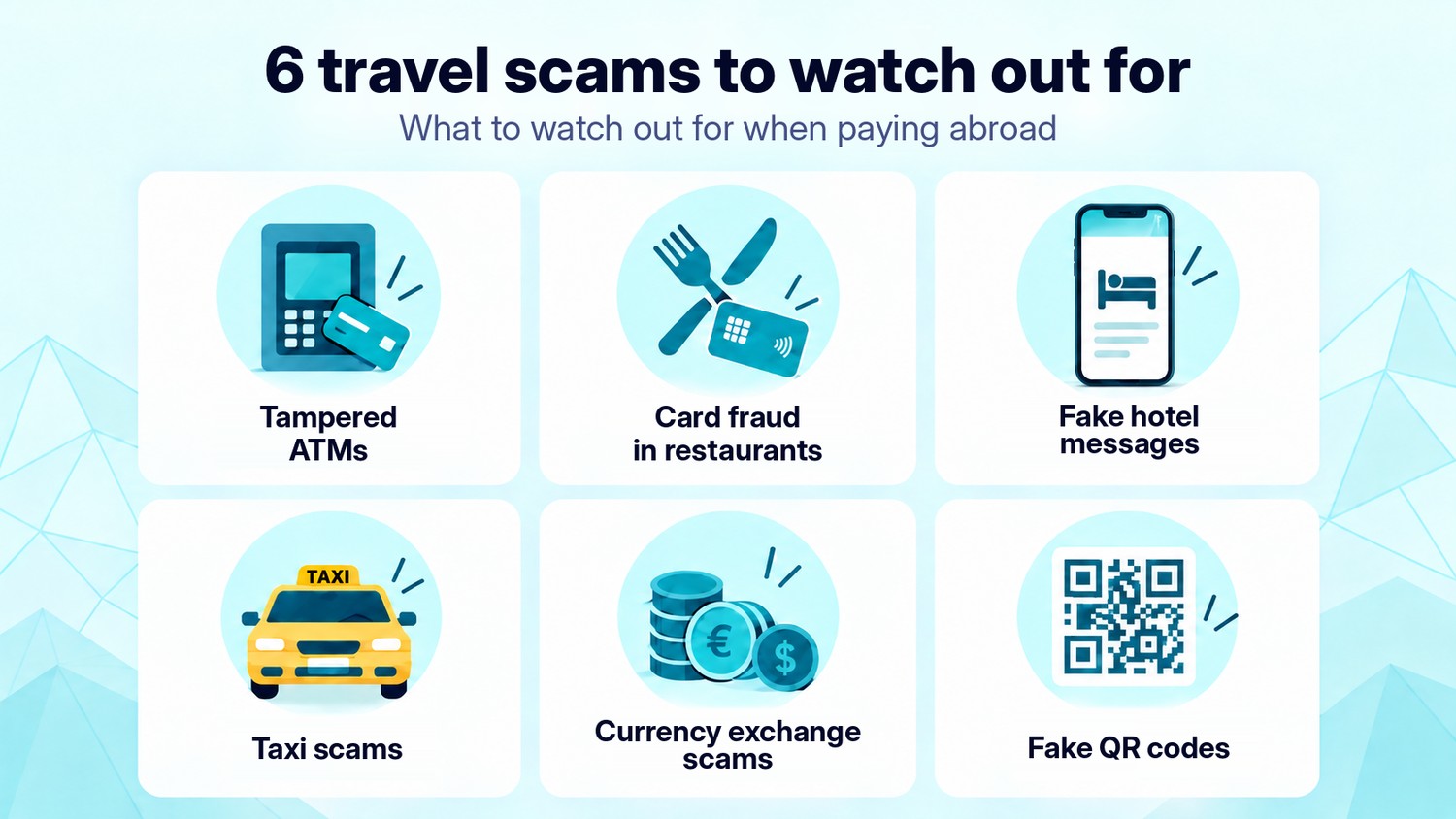
An overview of six common scams to watch out for when travelling.
When withdrawing money abroad, tampered cash machines can pose a risk. In a process known as ‘skimming’, criminals use hidden devices to read card details. Small cameras or tampered keypads also record your PIN as you enter it.
How to protect yourself:
Choose secure locations: Preferably use cash machines inside bank branches or in well-monitored areas.
Check the ATMs: Look out for unusual attachments or loose parts around the card slot and on the keypad.
Protect your PIN: Cover the keypad whilst entering your PIN and do not let strangers help you.
Act if you suspect anything: Abort the transaction if anything seems amiss and, if your card is retained, contact your card provider immediately.
Find out more: To learn how to spot tampered ATMs and protect yourself against data theft, read our blog post ‘Spotting skimming: How to protect your card’.
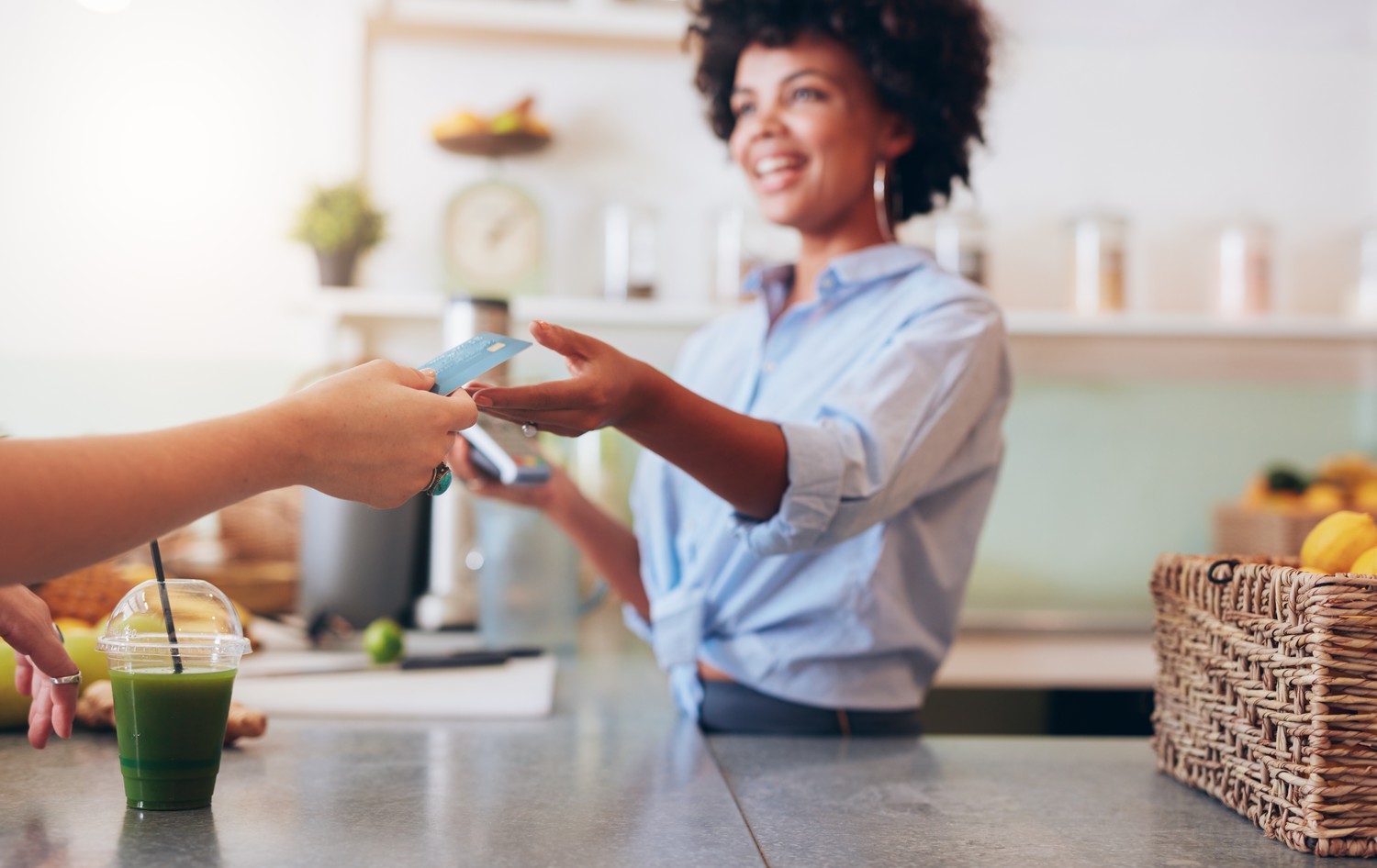
The bill arrives, but the waiting staff take your card away to process the payment. In moments like these, when you’re not looking, fraudsters could photograph or copy your card details. Tampered payment terminals or bill amounts that have been increased without you realising also pose a risk.
How to protect yourself:
Keep an eye on your card: Ask for a mobile payment terminal or pay directly at the till. Where possible, use Apple Pay or Google Pay so that you don’t have to hand over your physical card.
Check the amount: Check the amount displayed before confirming the payment.
Check your transactions: Regularly review your card statements to spot any suspicious charges at an early stage.
Tip: Enable push notifications in your Swiss Bankers app. This way, you’ll be notified of card transactions and can react quickly to any unusual charges.
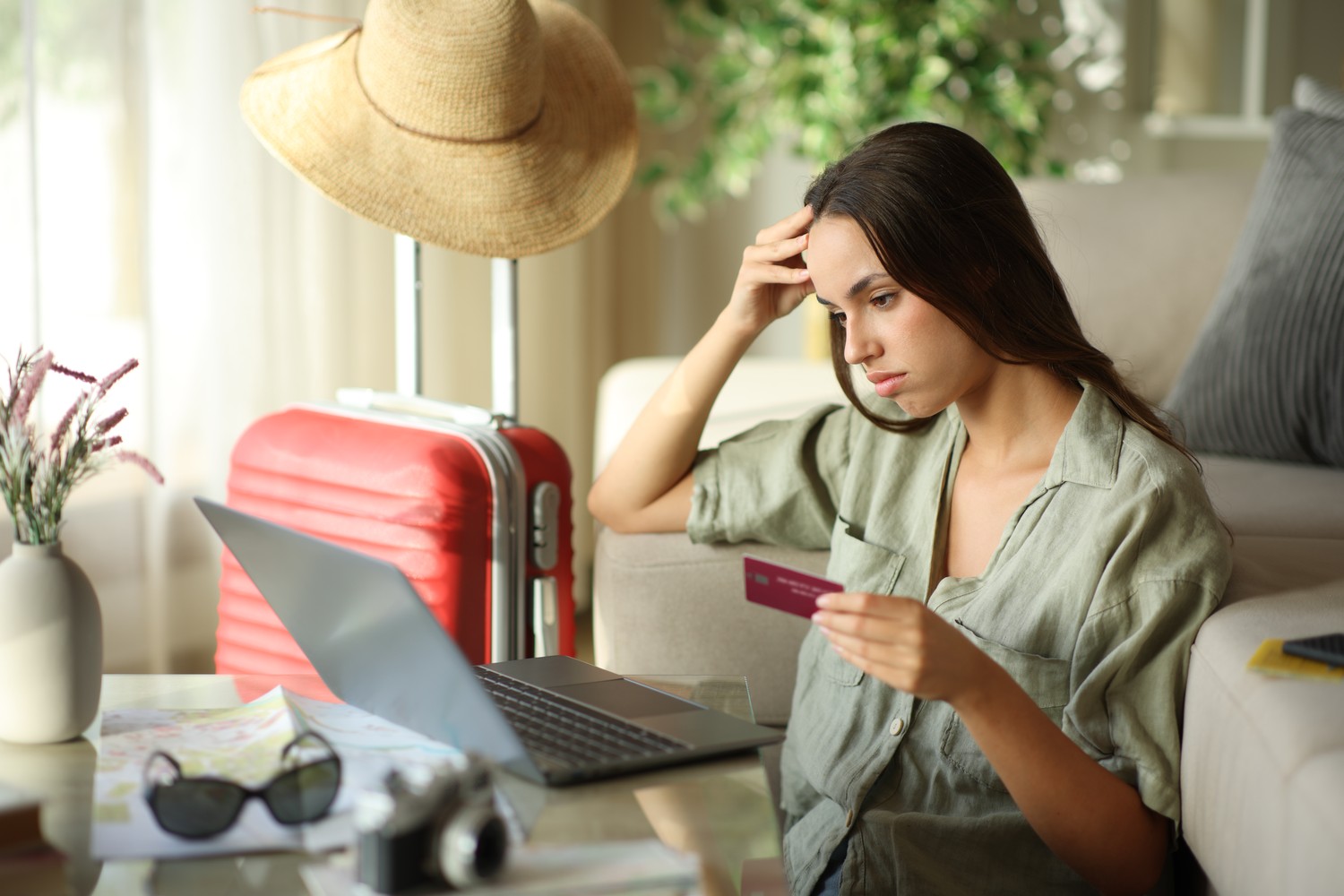
“Your booking will be cancelled if you do not confirm your payment details within 30 minutes.” Messages like this are designed to put travellers under pressure. Even if they appear to come from a hotel or a well-known booking platform, they may actually be part of a scam.
How to protect yourself:
Check payment links: Do not open any unexpected links that ask you to enter your card details.
Contact the hotel directly: Clarify any unusual payment requests using the telephone number from your booking confirmation or the hotel’s official website – never use contact details from the suspicious message.
Compare booking details: Check whether the requested payment matches your original booking confirmation.
Protect your confidential data: Never share your PIN, passwords or verification codes.
Find out more: To learn how to spot fake messages and fraudulent websites, read our blog post ‘What to do if you’re phished?’.
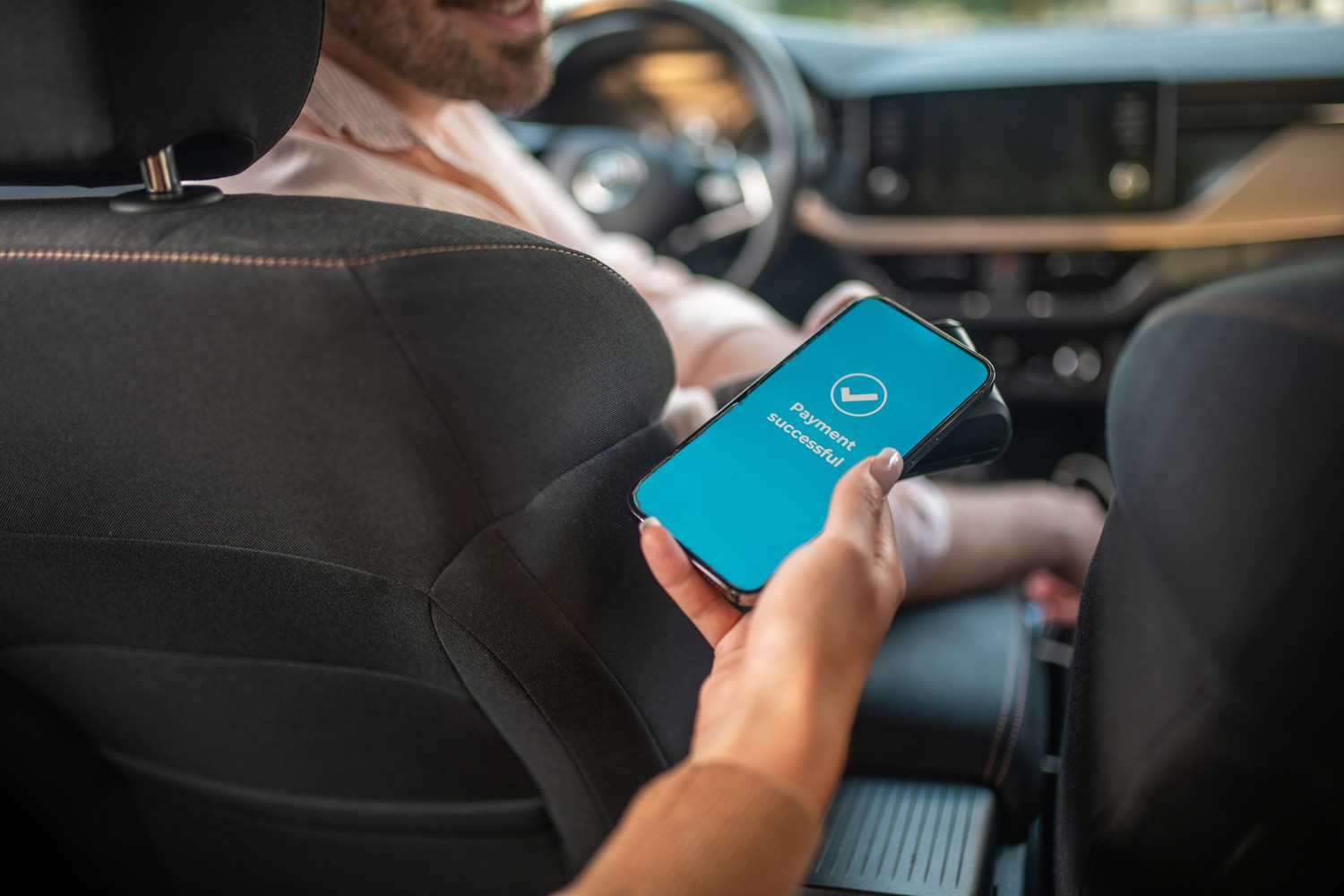
At the end of the taxi journey, the payment terminal suddenly displays a higher amount than the taximeter. If you’re in a hurry, you might not notice the discrepancy until later. In tourist areas in particular, inflated fares and unexpected surcharges can turn into a cost trap.
How to protect yourself:
Use official providers: Opt for licensed taxis or well-known ride-hailing apps.
Clarify the fare in advance: Find out the approximate cost or agree on a fixed price.
Check the fare: Compare the amount on the taximeter or in the app with the amount shown on the payment terminal.
Ask for a receipt: Make sure you’re given a receipt, especially if the amount seems unusually high.
Tip: With ride-hailing apps, payment is often made directly via the app. This means you’ll know the fare in advance – or at least receive a price estimate – and avoid having to pay extra in the vehicle.
Tempting exchange rates and commission-free offers sound particularly appealing when travelling. But not every currency exchange bureau is reputable. Hidden fees, unfavourable exchange rates or even counterfeit banknotes can mean you end up with significantly less money than expected.
How to protect yourself:
Choose reputable providers: Only exchange money at official banks or authorised bureaux de change.
Check the exchange rate: Compare the rates on offer and watch out for hidden fees.
Count your cash: Check the banknotes you receive straight away at the counter.
Avoid street vendors: Don’t be tempted by particularly favourable exchange rates offered on the street.
Tip: Even bureaux de change that advertise ‘0% commission’ are not automatically the best deal. What matters is how much money you actually receive after all costs have been deducted.
Good to know: With the Swiss Bankers cash order service, you can conveniently order foreign currencies before you travel and have them delivered to your home. This means you’ll already have cash with you on arrival and won’t have to search for a suitable bureau de change once you’re there.
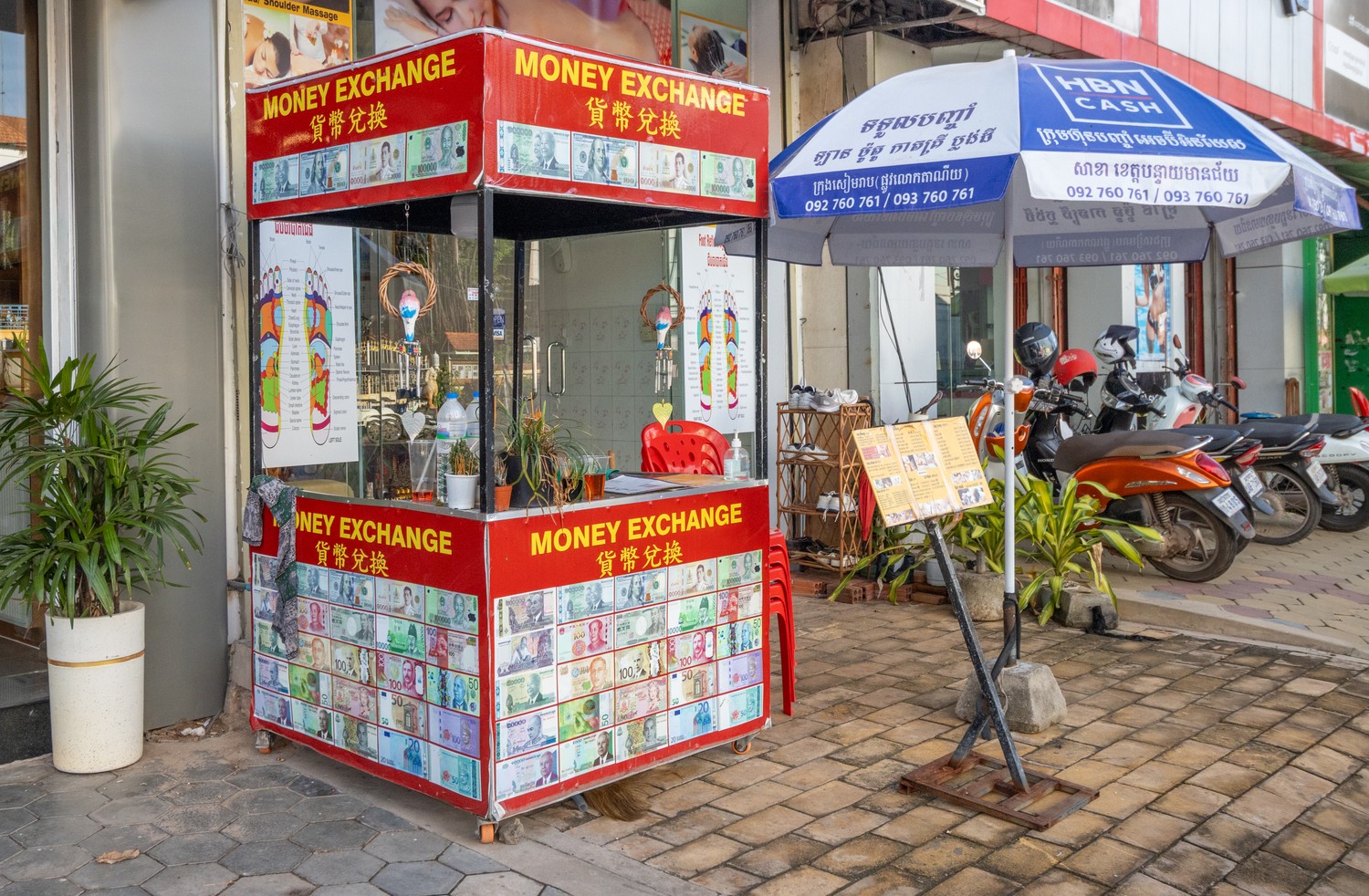
Whether when parking, in a restaurant or when buying tickets – QR codes make many payments easier whilst travelling. However, criminals can replace genuine codes with tampered stickers. In a scam known as ‘quishing’, tampered QR codes lead to fake websites where fraudsters can steal card details or trick travellers into making unwanted payments.
How to protect yourself:
Check QR codes: Look out for codes that have been covered with stickers or added later.
Check the web address: Check the displayed web address before opening the website.
Use official apps: Where possible, pay directly via the provider’s app or website.
Check payments: Verify the amount and recipient before confirming a payment.
Find out more: To learn how to spot fake QR codes and protect yourself against fraud, read our blog post ‘Quishing: When QR codes become a trap’.
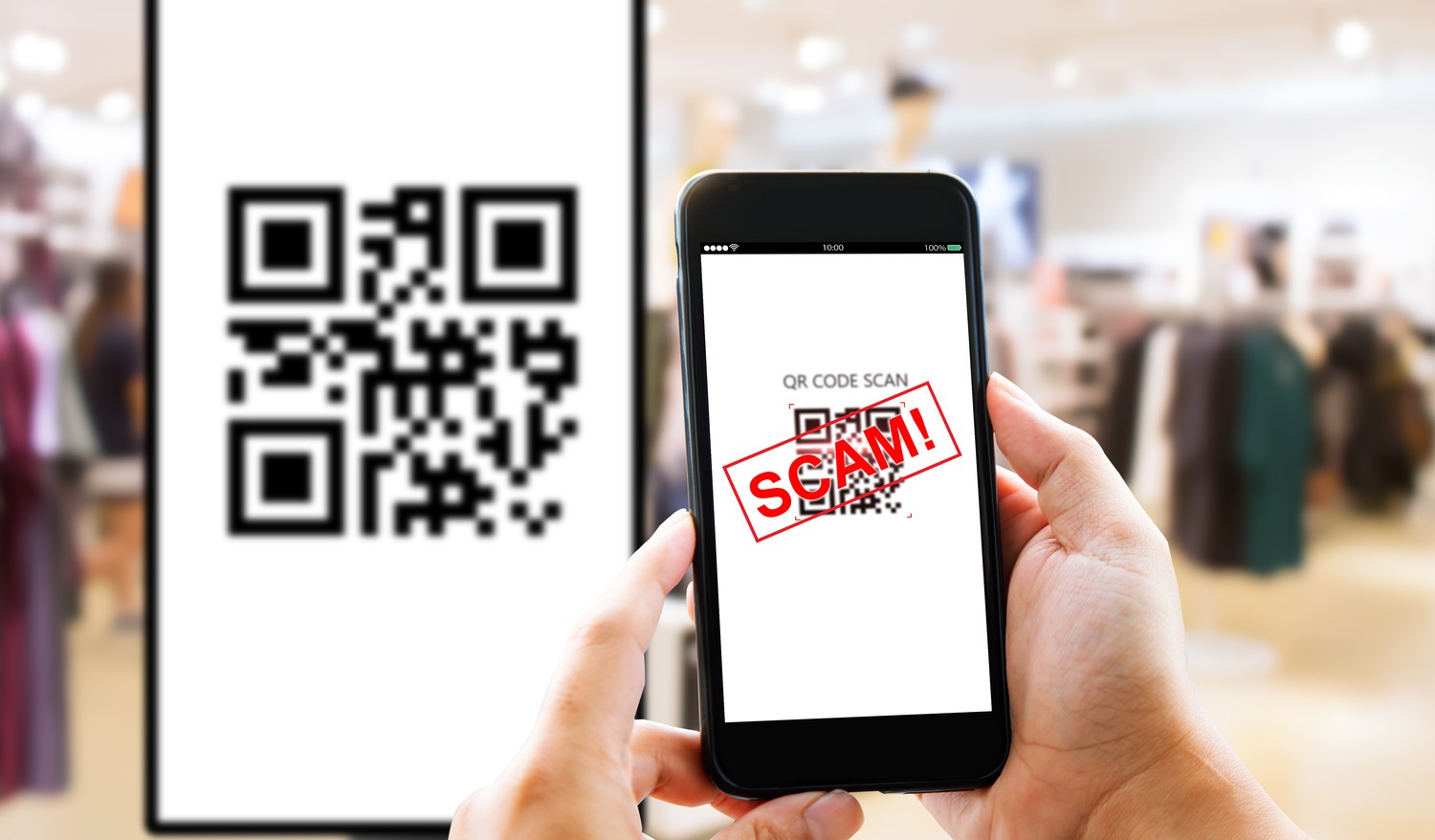
Despite taking every precaution, your card may still be lost, stolen or misused. In such cases, every minute counts:
Block your card immediately: If you suspect card fraud, use the ‘Replace card’ function in the Swiss Bankers app. If you are unable to use the app, contact the official customer service team straight away.
Report suspicious transactions: Inform your card provider of any unknown charges and have them investigated.
Secure your login details: Change any affected passwords and report any suspicious access to your accounts.
Keep evidence: Save receipts, messages and screenshots. In the event of theft or fraud, you should also report the incident to your local police.
Good to know: In the event of loss, theft or suspected card misuse, you can find further information and support on the Swiss Bankers website.
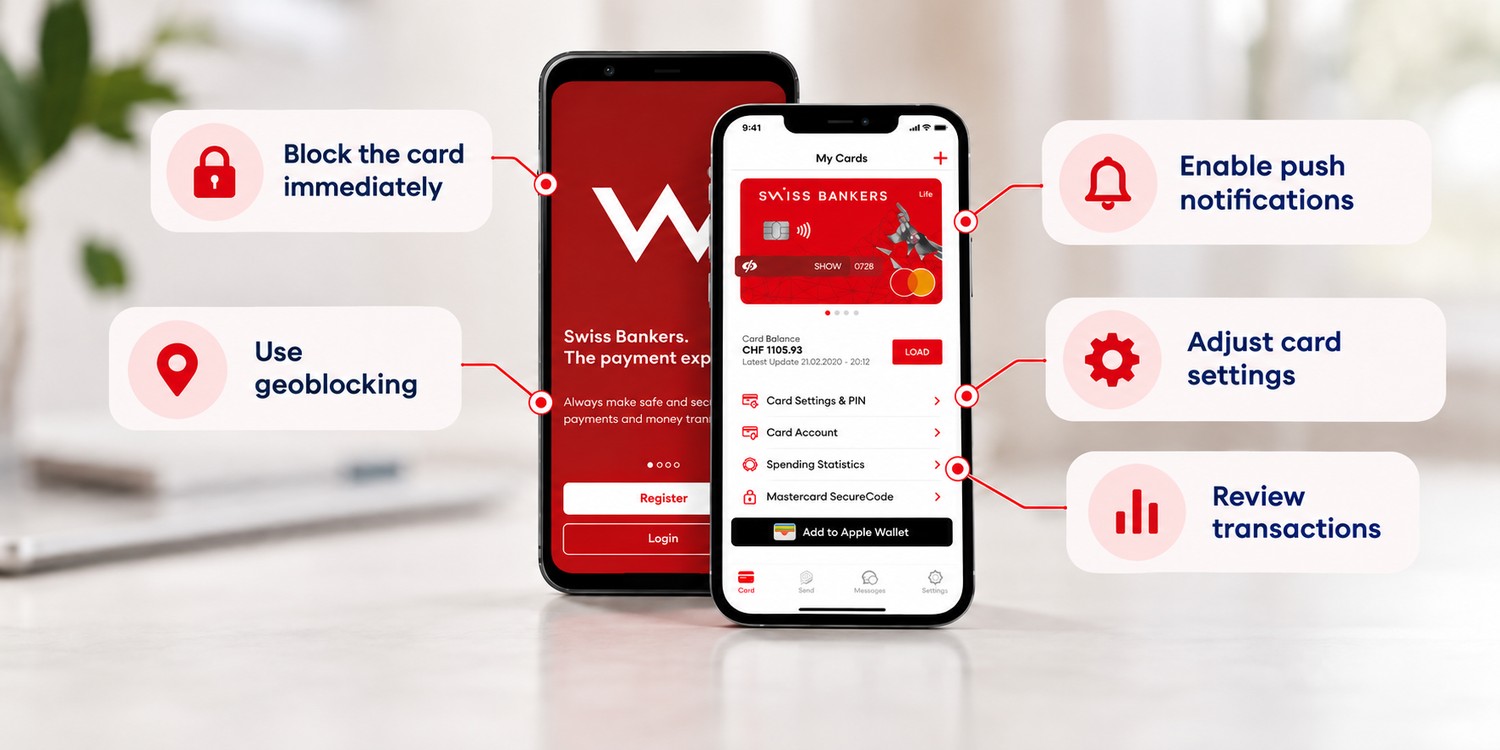
An overview of the Swiss Bankers app’s security features
Keep an eye on your card when making payments, check the amounts being charged and examine any unexpected payment requests particularly carefully. If anything seems suspicious, it’s best to cancel the transaction. If you suspect your card has been misused, you should react immediately and block your card via the Swiss Bankers app or the official customer service.

© Swiss Bankers 2026


