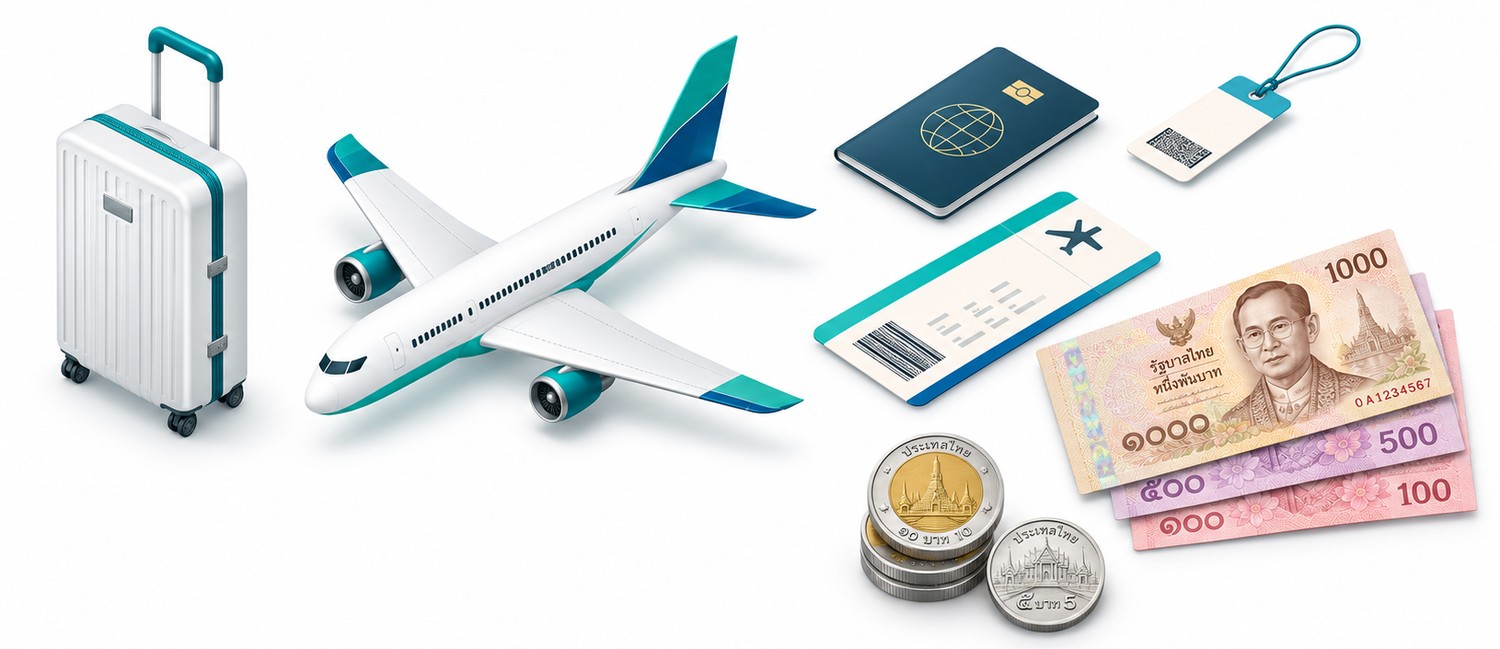
Keeping your cash safe whilst travelling: tips for hotels, the beach and on the move

A wallet under your beach towel, cash in your suitcase or a purse in your back trouser pocket – sometimes we make it easier for thieves than we realise. Yet often, just a few small changes are enough to better protect your holiday cash. Whether you’re at a hotel, on the beach or out for a stroll in town: we’ll tell you where your cash is safest and how to prevent a relaxing day’s holiday from turning into a nasty surprise.

How much cash should you take with you when travelling?

A few notes for the market, some small change for a taxi and a bit set aside for emergencies – it’s often impossible to travel without any cash at all. But how much should you actually take with you? That depends mainly on your destination and your plans.

With these three tips, you’ll be well prepared:
  • Only take what you need for the day: In the morning, think about how much cash you’re likely to need. It’s best to keep larger amounts safely at your accommodation.
  • Keep cash and cards separate: Spread your money across different places and keep a small reserve to hand. You should also keep a second payment card separate from your wallet if possible. That way, if you lose one, you won’t be left without any means of payment straight away.
  • Don’t exchange more than you need to: Before you travel, find out how widespread card payments are at your destination. Where you can pay by card almost everywhere, you’ll usually need less cash.

Keeping cash safe in a hotel

Once you’ve arrived at the hotel, your suitcases and valuables will usually be put away in your room. But where’s the best place to keep your cash? Simply leaving it in a drawer or in your suitcase isn’t a good idea – even if the room is locked.

Here’s what you should bear in mind:

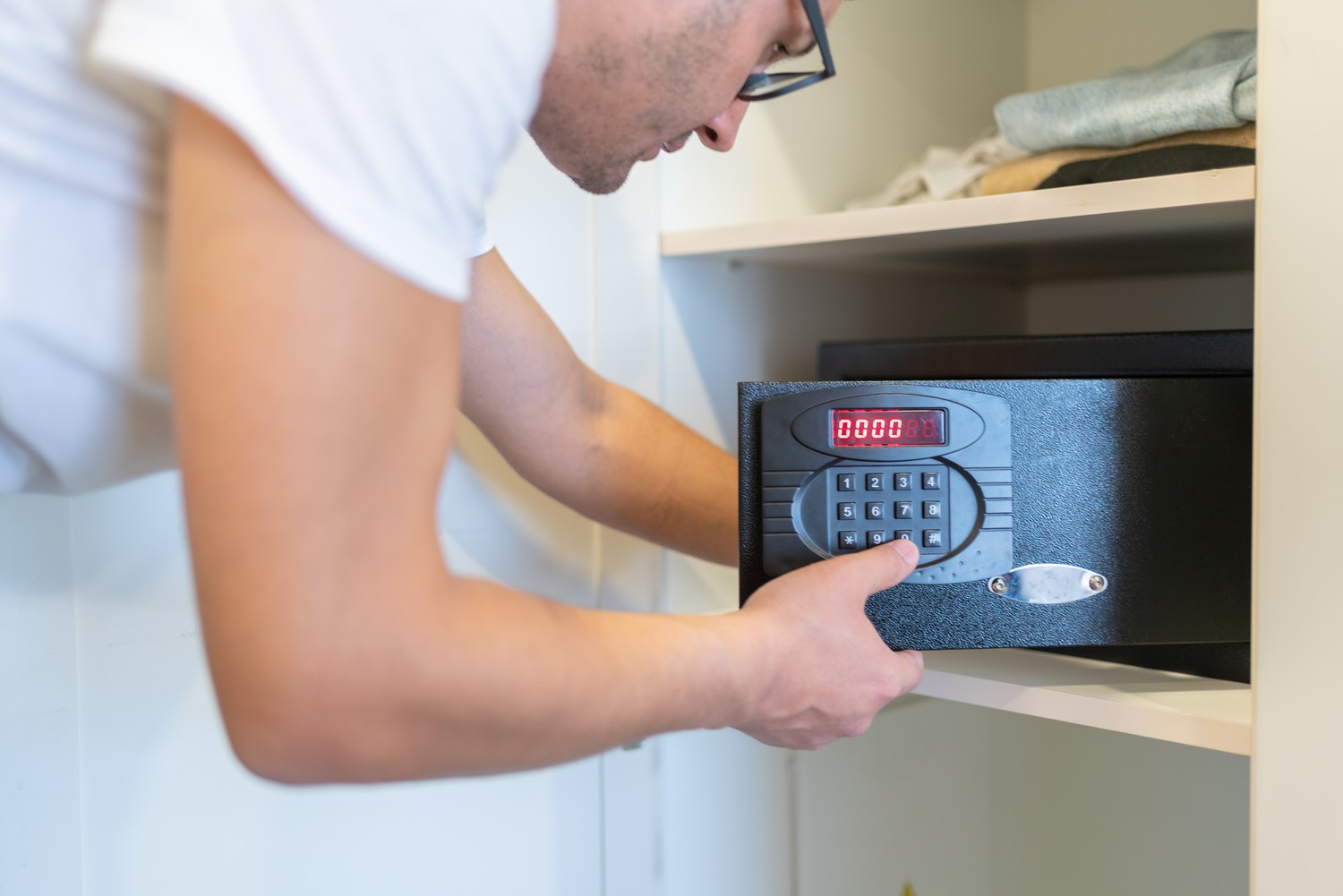
  • Use the hotel safe: Many hotels provide an in-room safe. Choose your own code and check that the safe locks properly.
  • Ask at reception: If there is no in-room safe, enquire whether the hotel can store your valuables in a central safe.
  • Don’t leave cash lying around: Banknotes on the bedside table, in an open bag or tucked between clothes are not a safe place to keep them. Even a locked suitcase offers only limited protection.

Good to know: A hotel safe offers additional protection, but is no guarantee against theft. If you are carrying large sums of cash, it is therefore worth checking in advance what storage options the hotel offers and whether it accepts liability in the event of loss.

Travel: The free prepaid credit card

Pay securely with the Travel prepaid credit card at over 70 million shops worldwide. Available in CHF, EUR and USD. Manage your balance via the app. Cash withdrawals at home and abroad. Order online now – no credit check required, in just 5 minutes!

Learn more

At the beach and by the pool: where to put your cash?

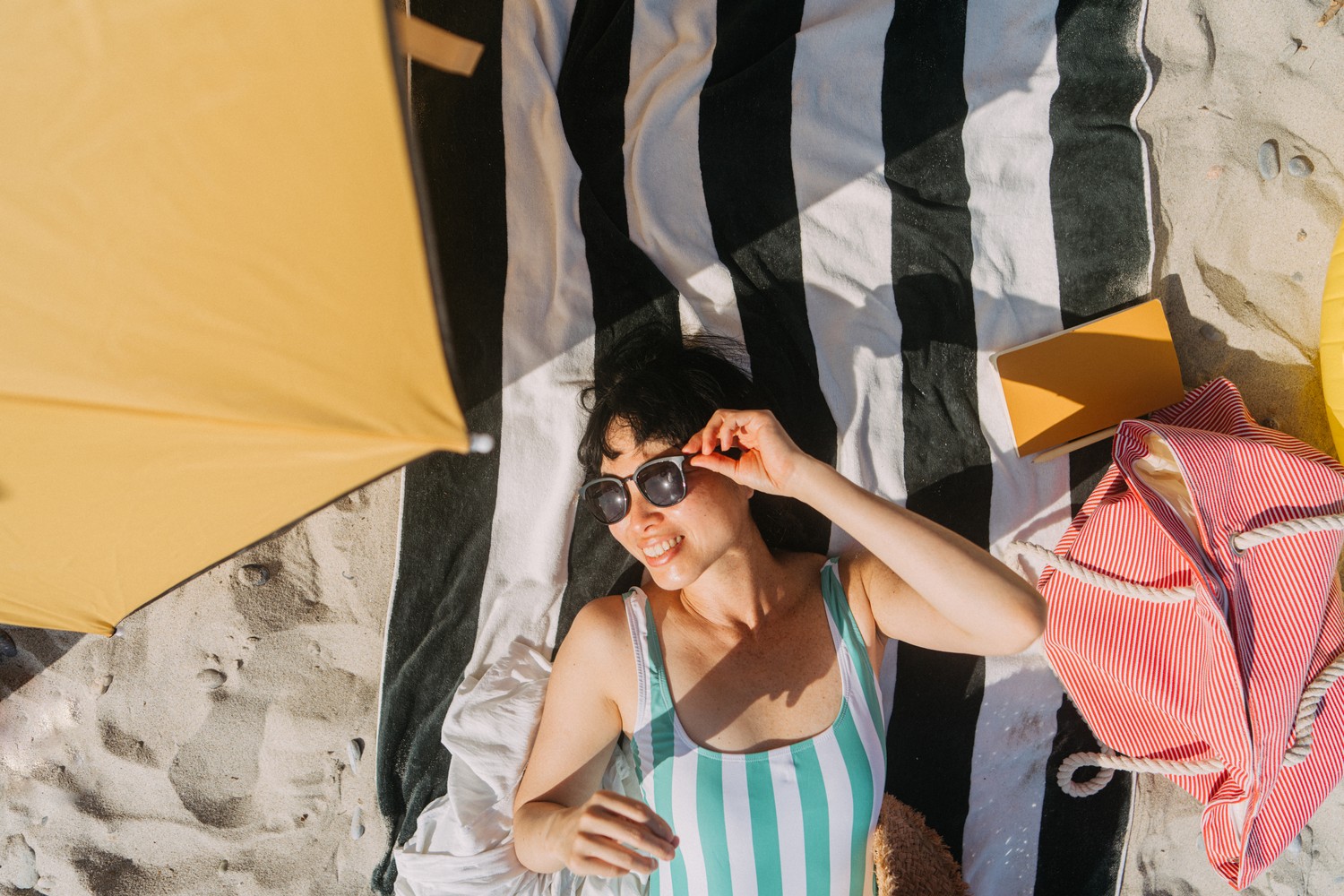
You fancy a quick dip, but who’ll look after your belongings in the meantime? At the beach or by the pool, that’s often not so easy. Hiding your wallet under your towel certainly isn’t a good solution.

Here are some options:

  • Use lockers: Some lido facilities, beach clubs or swimming pool complexes offer lockable lockers for valuables. It’s best to ask about them as soon as you arrive.
  • Don’t leave bags unattended: If you’re all going into the water together, don’t just leave cash and other valuables behind on your sun loungers. Take turns looking after them whilst swimming, if possible.
  • Use waterproof pouches: Small waterproof pouches that hang round your neck are ideal for taking cash with you whilst swimming. Make sure the pouch is suitable for submersion and has been properly sealed.

Camouflaged storage boxes, such as those shaped like sun cream bottles, are also available. They can hide valuables from prying eyes, but do not offer reliable protection against theft.
Out and about: How to protect yourself from pickpockets

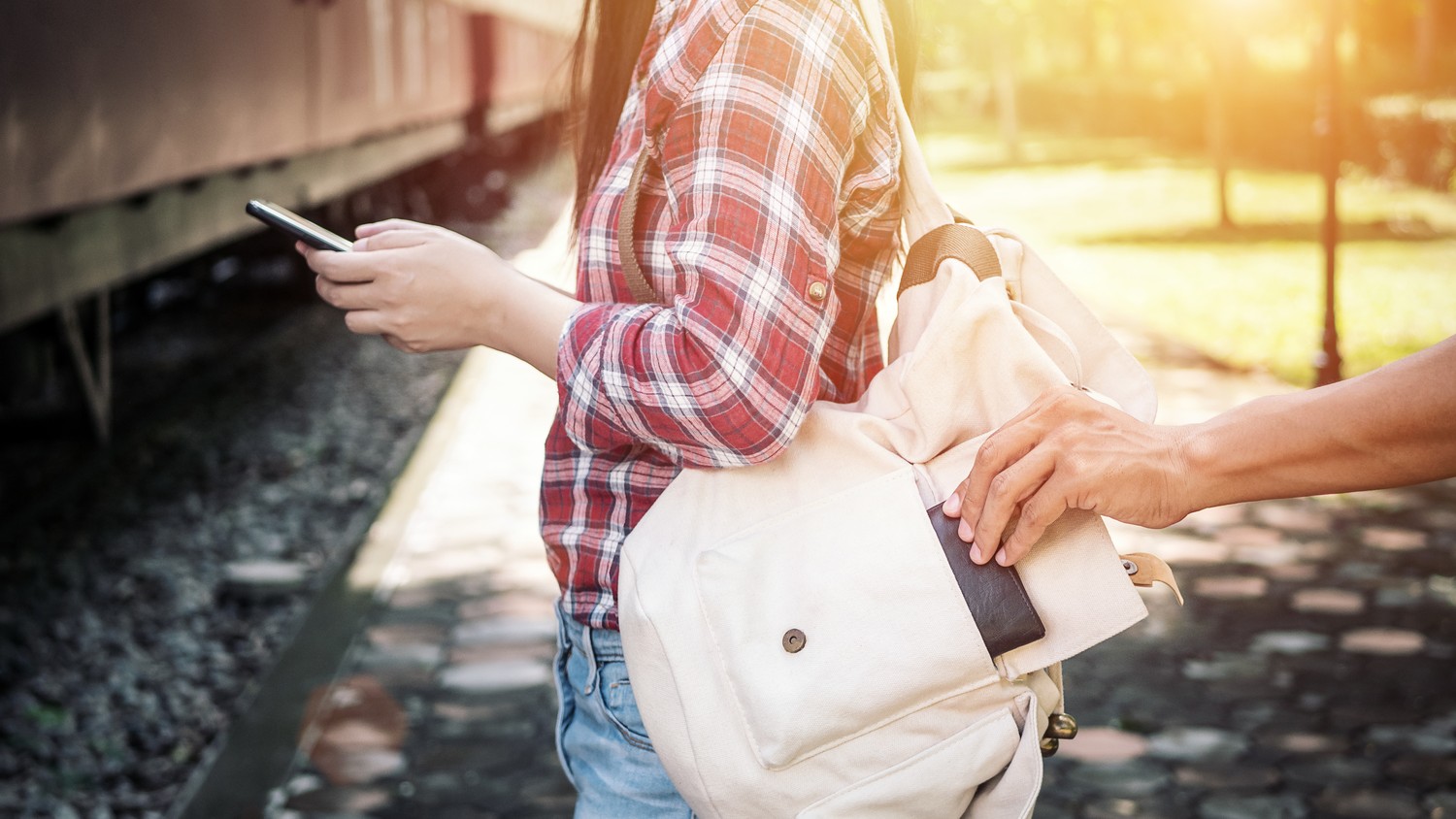
A busy market, a packed underground train or a stroll through the old town – pickpockets often have an easy time of it in a crowd. Just a brief moment of inattention can be enough for your wallet to disappear.

These tips will make it harder for thieves:

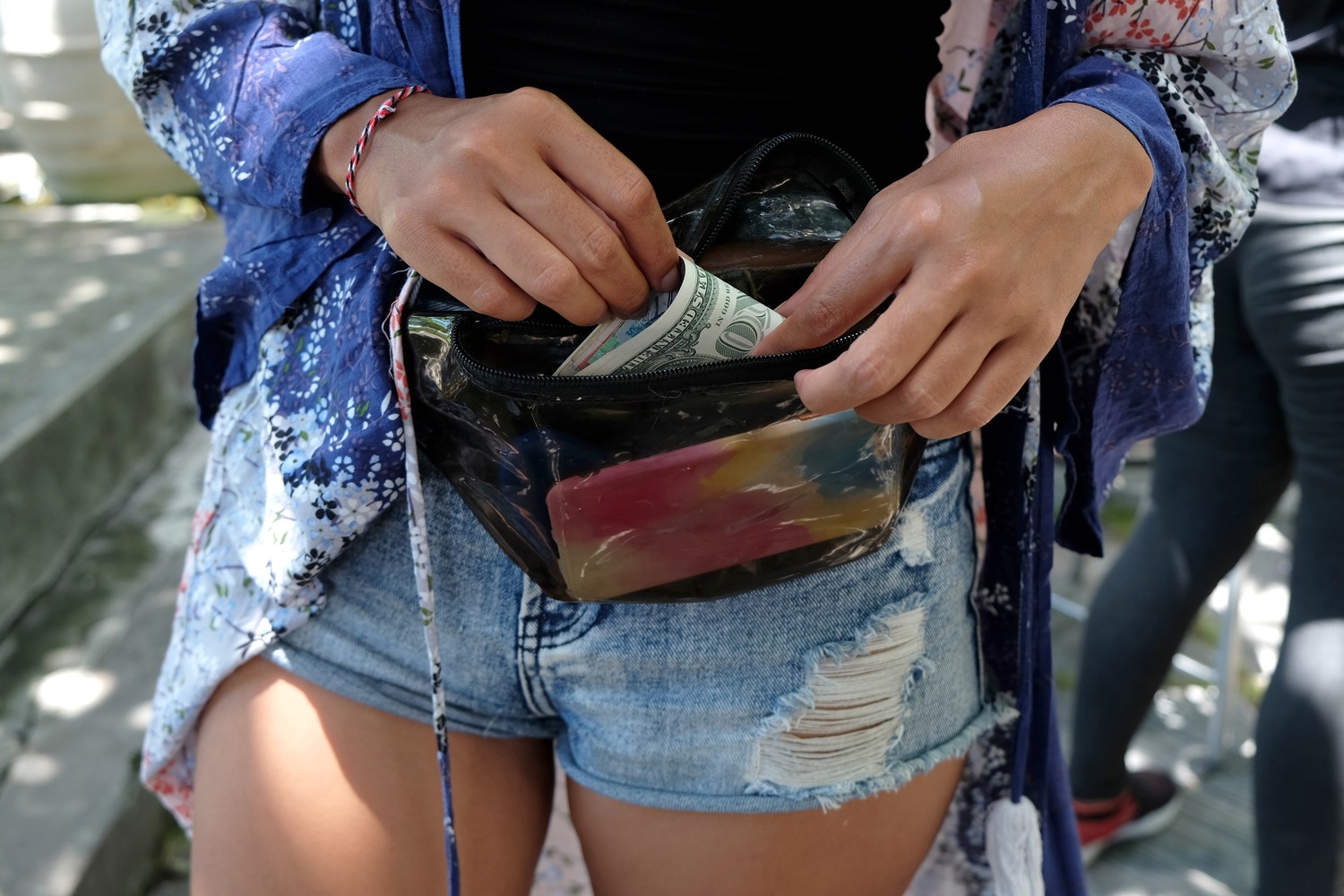
  • Use a neck pouch or money belt: A flat money belt or a neck pouch worn under your clothes is ideal for cash and important documents. This makes your valuables less easily accessible.
  • Carry bags securely: Where possible, use a lockable shoulder bag that you wear across your body. The back pocket of your trousers, on the other hand, is not a good choice.
  • Stay alert in crowds: You should keep a close eye on your bag, particularly when getting on and off public transport or at popular tourist attractions.
  • Use cash discreetly: Keep smaller notes to hand so that you don’t have to take out all your cash every time you pay.

Good to know: Pickpockets sometimes work in pairs or in groups. Whilst one person distracts you, another tries to get hold of your valuables. So be on your guard even if you’re unexpectedly jostled or offered intrusive help.
What should you do if your cash is stolen?

Your wallet’s gone – and with it, perhaps all your cash. This can quickly become a problem, especially when you’re abroad. Unlike with card payments, stolen cash usually cannot be recovered.

These steps will help you now:

  • Block your payment cards: If your cards have gone missing along with your cash, have them blocked immediately. To do this, contact your card provider or use the relevant function in your card app.
  • Get hold of cash quickly: If you still have a payment card, you can use it to withdraw cash. Otherwise, relatives or friends can send you money via an international money transfer service, which you can then collect in cash locally. You’ll usually need a valid ID for this.
  • Report the theft: File a report with the local police and ask for a confirmation certificate. This may be important later on for a potential insurance claim.
  • Check your insurance: Not all travel insurance policies cover the theft of cash. You should therefore check before you set off whether your money is insured and, if so, up to what amount. Also bear in mind any exclusions and specific storage requirements.

Good to know: If you are unable to resolve your financial difficulties either on your own or with the help of relatives, you can contact the Swiss representation in your destination country or the FDFA helpline.
Conclusion: Keeping your cash safe whilst on holiday

Keeping your cash safe whilst travelling is less a matter of expensive equipment than of good habits. If you only take the bare essentials, keep your cash safe and don’t leave valuables unattended, you can significantly reduce the risk of theft. That way, you can enjoy your holiday without constantly worrying about your wallet.

Your checklist for your next holiday:

  • Take only what you need for the day; keep your cash reserves safe
  • Keep cash and a second payment card separate
  • Use bags worn close to the body, neck pouches or money belts
  • Use lockers or waterproof pouches on the beach
  • Check your insurance cover before you set off