


Important information:
Am 10. April 2024 wurden das Kundenportal sowie der Web-Zugriff auf das Kartenkonto eingestellt. Bitte laden Sie die Swiss Bankers App herunter, um weiterhin uneingeschränkten Zugriff auf alle Dienste zu haben.
Are you a Swiss Bankers sales partner?
Hier geht es zum Partnerportal.
An unexpected phone call, a supposedly suspicious payment and a demand to act quickly: in what is known as ‘vishing’, fraudsters try to obtain personal details, login credentials or security codes over the phone. Find out how this scam works, what warning signs to look out for to recognise vishing, and how to respond correctly if it happens.
 02.10.2026
 Eliza
The term ‘vishing’ is a portmanteau of the words ‘voice’ and ‘phishing’ and refers to phishing carried out via telephone or voice calls. Whilst traditional phishing attacks often take place via fake emails or websites, in vishing, criminals attempt to manipulate their victims directly during a conversation.
To do this, they pose as trustworthy individuals or employees of well-known institutions and companies. The aim is, for example, to obtain personal information, passwords, card or login details and security codes, or to persuade victims to make a payment or carry out other security-related actions.
Vishing is therefore a form of so-called social engineering: rather than directly attacking technical security mechanisms, the perpetrators attempt to influence people in a targeted manner. If a similar phishing attempt is carried out via text message, it is referred to as ‘smishing’.
Vishing relies primarily on trust, surprise and time pressure. Callers often describe a situation that appears to require immediate action: an unusual payment needs to be stopped, an account needs to be protected or a technical problem needs to be resolved urgently.
This leaves little time to question the story. What’s more, the fraudsters sometimes already possess personal information about their victims. This may, for example, stem from previous phishing attacks, data breaches or publicly available sources. If the caller knows the person’s name, employer or even their bank, the call can quickly seem credible.
Even the displayed telephone number offers no reliable guarantee of security. In what is known as ‘caller ID spoofing’, the telephone number is manipulated. As a result, the display may show, for example, a Swiss telephone number or even what appears to be the official number of a bank or company.
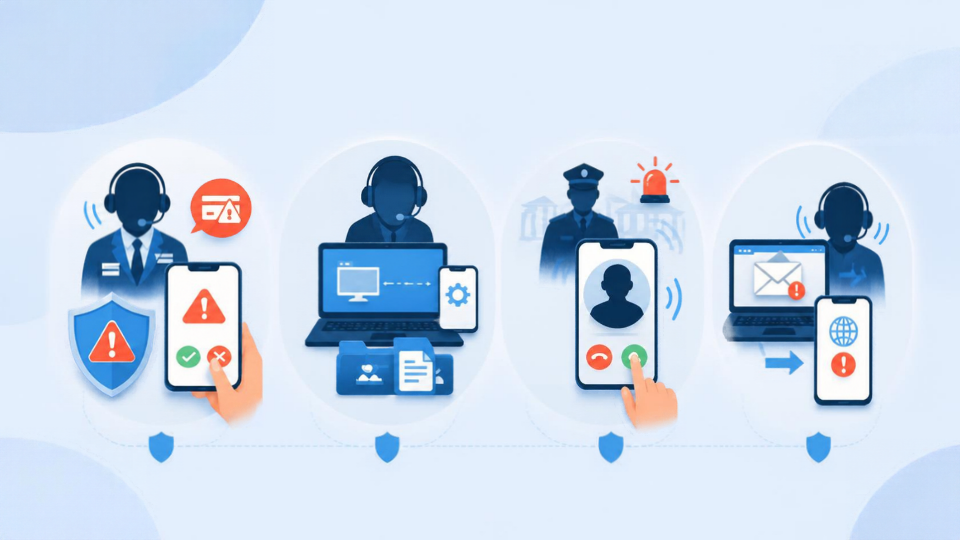
The person behind a vishing call can be anyone. Fraudsters often pose as callers whom the person being called would normally trust.
These methods can be interlinked. The Federal Office for Cyber Security (BACS), for example, has observed two-stage attacks in which information such as telephone numbers and bank details is first collected via a phishing website. The perpetrators then contact the victim by telephone, posing as employees of that very same bank.
Vishing calls can take many different forms. However, there are certain characteristics that should raise your suspicions:
1. The call comes out of the blue.
A supposedly trustworthy person or organisation suddenly contacts you about an urgent issue.
2. Unusually intense time pressure is applied.
You are told to react immediately, otherwise you face, for example, financial loss, your account being blocked or other consequences.
3. Confidential information is requested.
For example, you are asked to disclose passwords, PINs, card details or security or one-off codes.
4. You are asked to confirm an unknown action.
You are asked to authorise a payment, registration or other request that you did not initiate yourself.
5. You are asked to install software or grant remote access.
You should be particularly cautious if an unknown caller wants to gain access to your computer or smartphone.
6. The telephone number displayed is intended to inspire trust.
Even a number that appears familiar or official is no guarantee that the call is genuine. Telephone numbers can be manipulated.
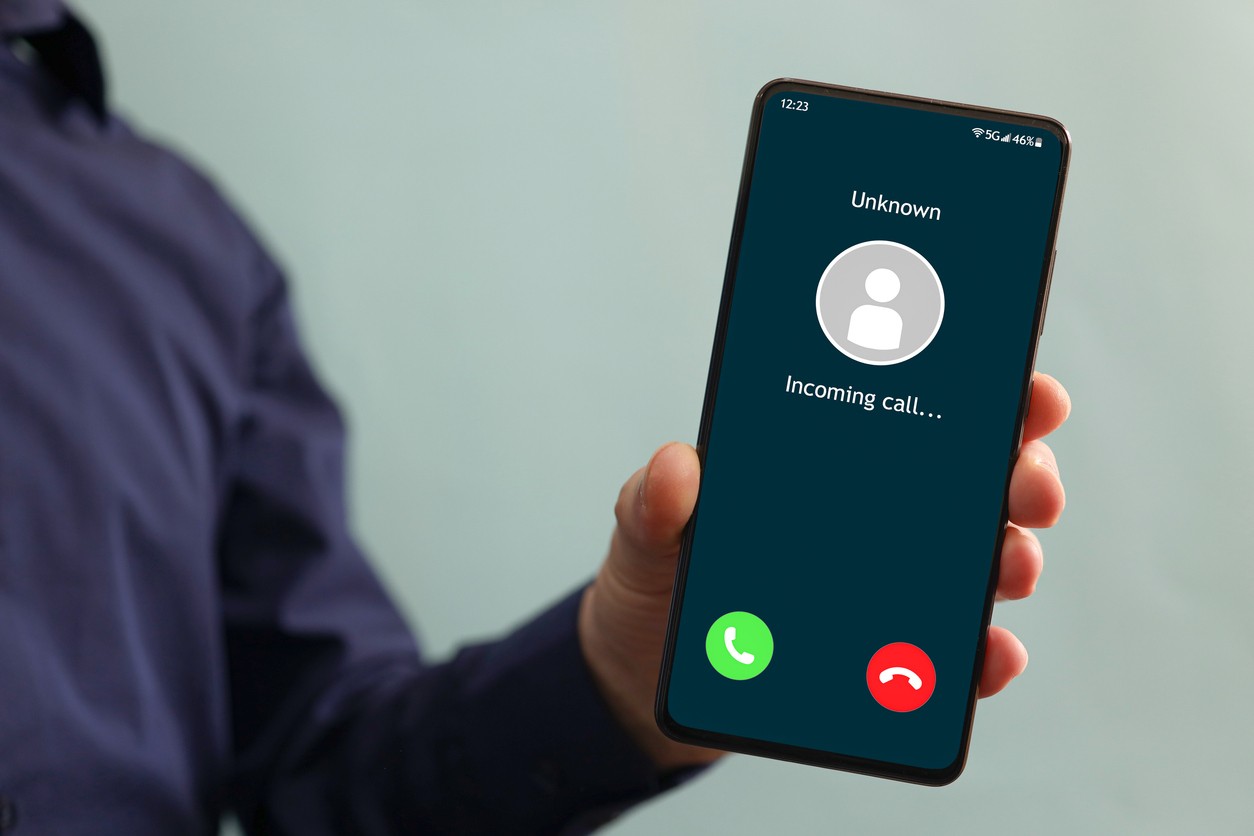
If a call seems suspicious, the most important thing is not to let yourself be pressured. Follow these steps to stay on the safe side:
Important: Even a familiar telephone number or personal information that the caller has about you is no proof that the call is genuine.
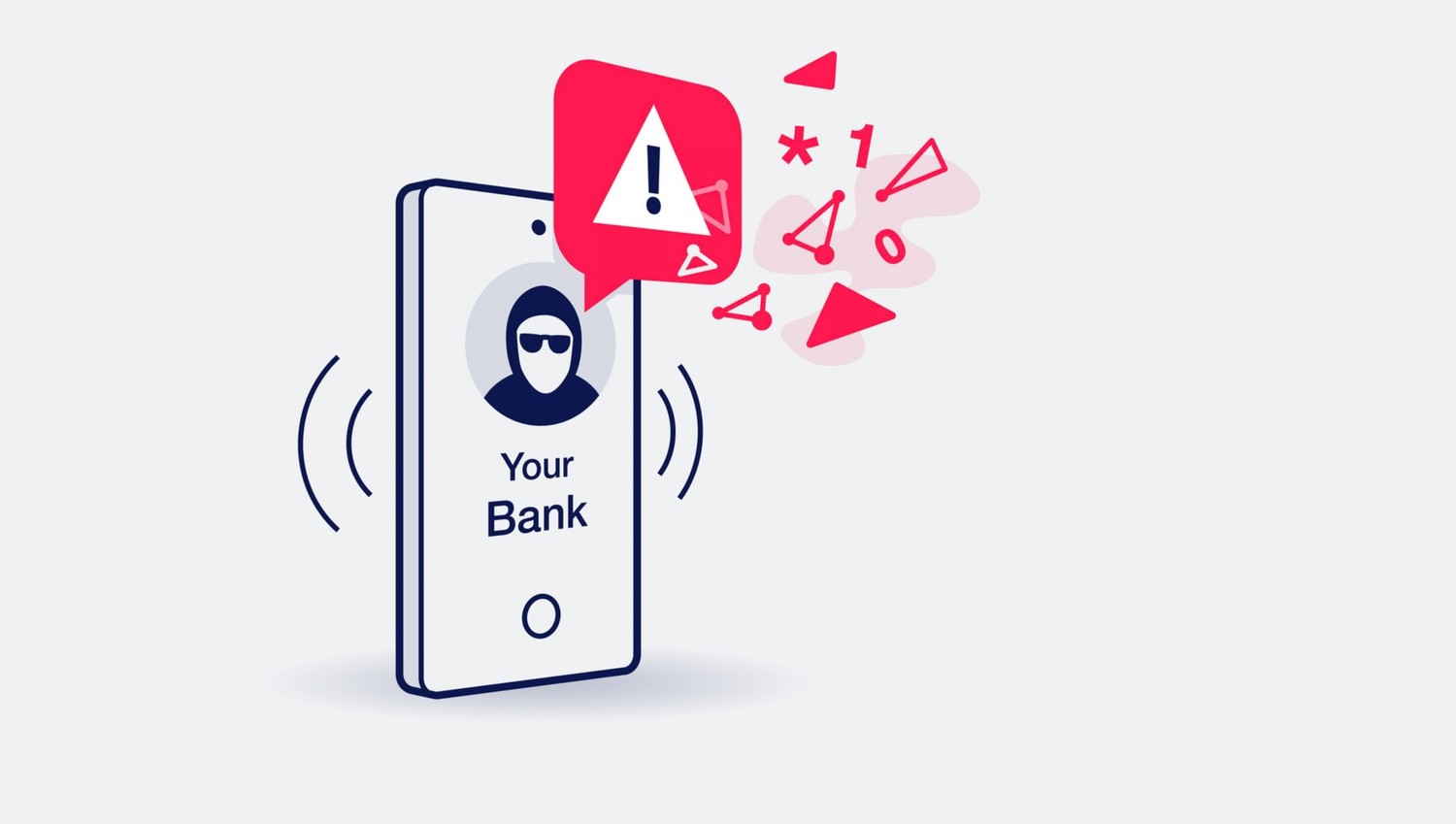
Banks and card providers may well contact their customers – for example, if a suspicious transaction has been detected. A call from your bank is therefore not automatically an attempt at fraud.
The key factor is what information or actions you are being asked to provide. Do not disclose any confidential authentication details such as PINs, passwords or security codes over the phone. Swiss Bankers and Mastercard do not ask customers to disclose, change or confirm personal details such as card numbers, expiry dates, card security codes, usernames or passwords.
If, for example, you are asked during a call to provide such details, to authorise an unknown payment or to grant a stranger access to your device, end the call immediately. Then contact Swiss Bankers yourself using the official contact channels.
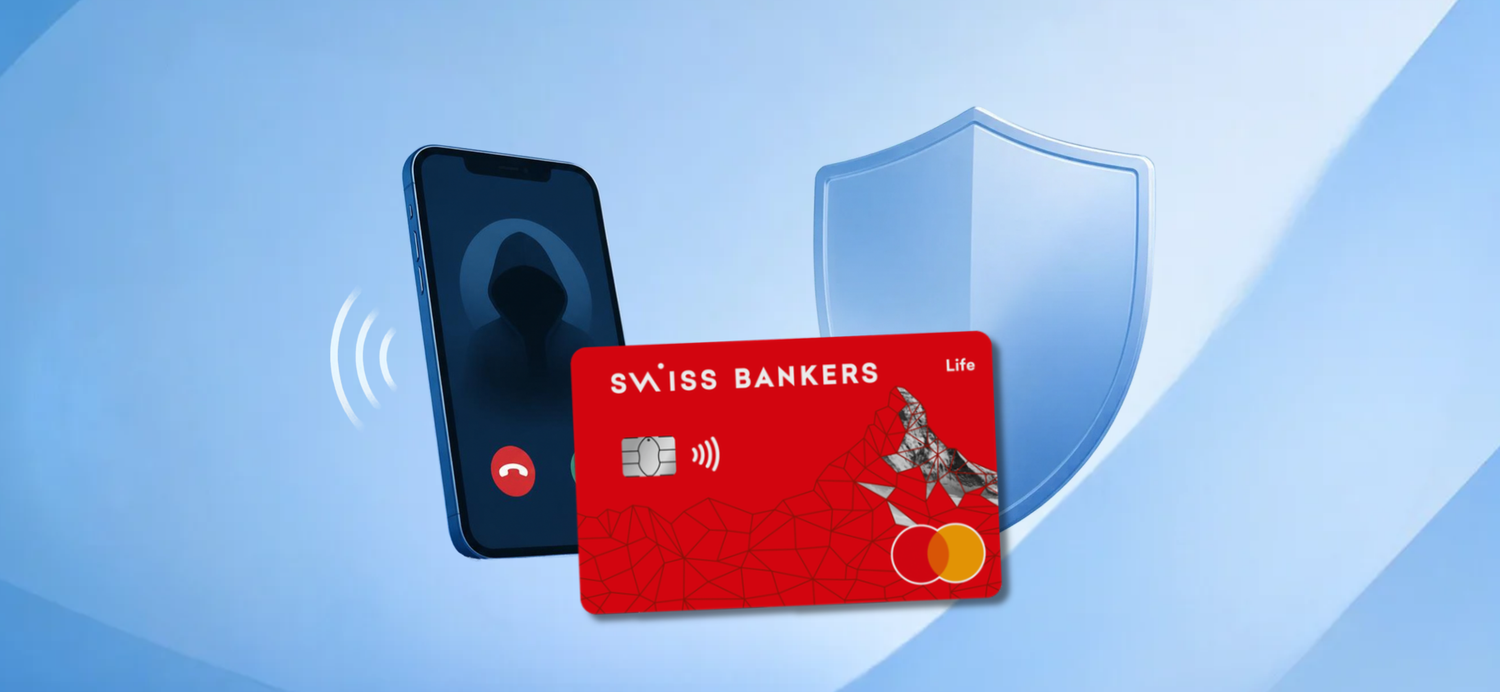
By adjusting a few settings in the Swiss Bankers app, you can provide extra protection for your card and spot suspicious activity more quickly:
Even just a few security settings can help you spot unusual card activity more quickly and tailor your card’s usage to your personal needs.
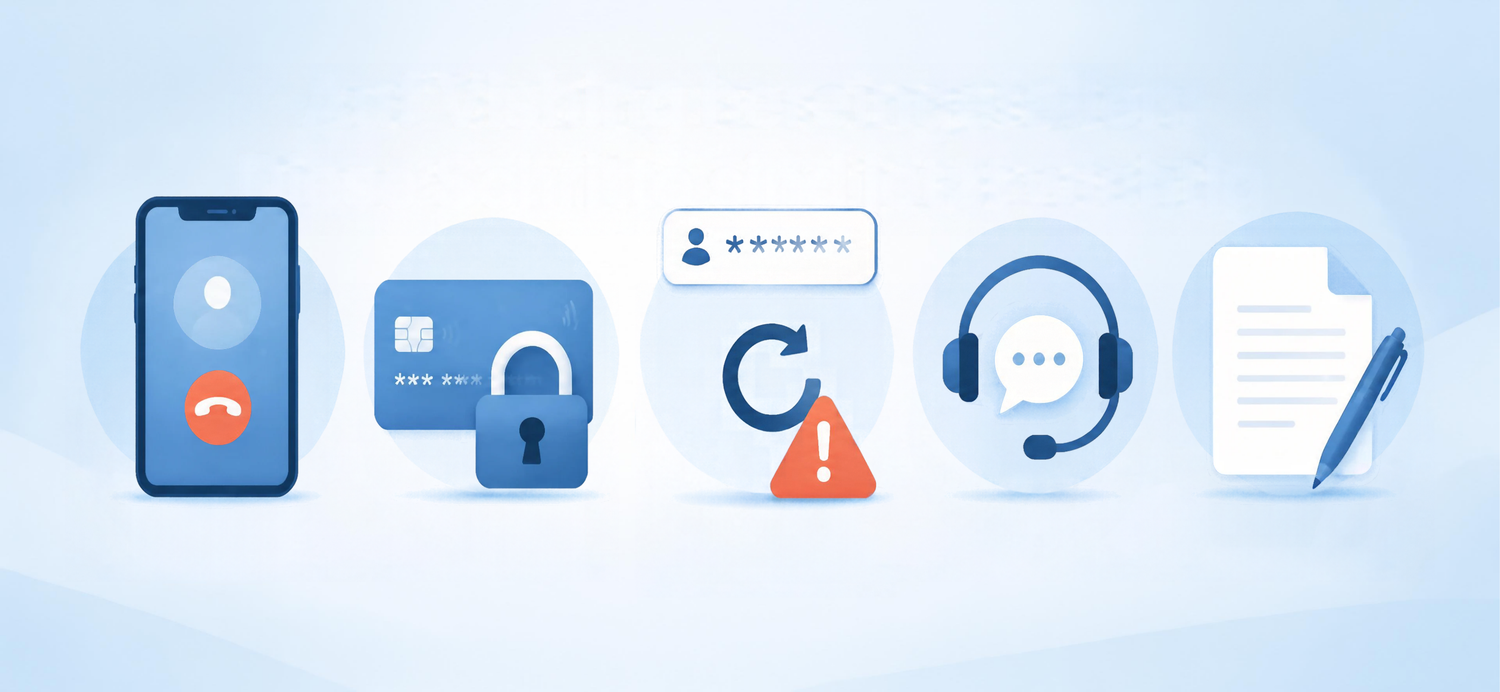
If you have already disclosed any data, confirmed a payment or granted a fraudster access to your device, you should act as quickly as possible:
Take action if a Swiss Bankers card is affected. Arrange for your card to be blocked immediately and report the suspected fraud to Swiss Bankers customer service. Alternatively, you can use the Swiss Bankers app directly: if you select the ‘Replace card’ self-service option there, the relevant process will be initiated automatically. In this case, it is not necessary to block the card manually.
Report the fraud. Suspicious cyber incidents can be reported to BACS. If you have suffered financial loss, you should also report the matter to the police.
The quicker you react following a successful vishing attack, the sooner further unauthorised access or transactions can be prevented.
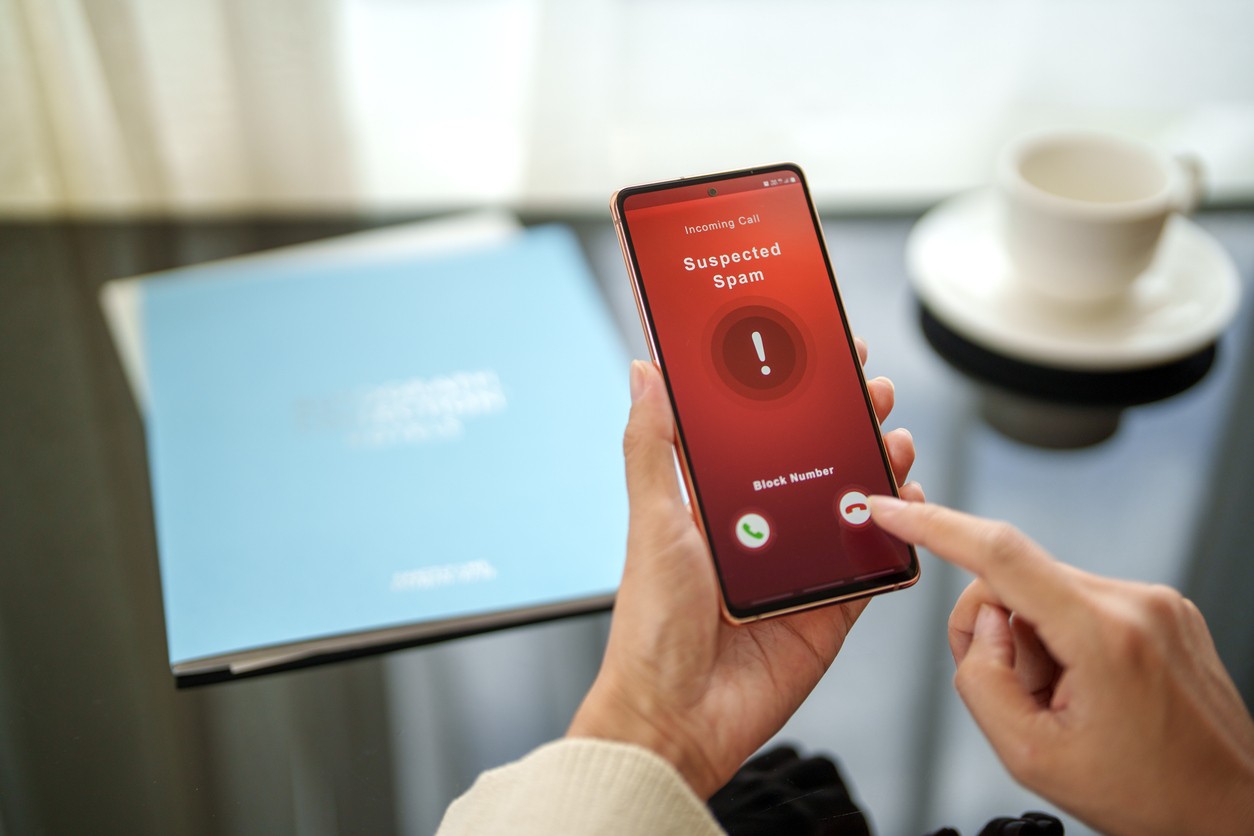
Vishing works primarily because fraudsters build trust whilst simultaneously applying pressure. They may pose as bank staff, government officials or employees of well-known companies. Therefore, do not let yourself be pressured into making hasty decisions when you receive unexpected calls. Do not disclose any confidential information and do not confirm any transactions that you have not initiated yourself. If a call seems suspicious, hang up and contact the person or organisation in question yourself via an official channel.

© Swiss Bankers 2026


