


Important information:
Am 10. April 2024 wurden das Kundenportal sowie der Web-Zugriff auf das Kartenkonto eingestellt. Bitte laden Sie die Swiss Bankers App herunter, um weiterhin uneingeschränkten Zugriff auf alle Dienste zu haben.
Are you a Swiss Bankers sales partner?
Hier geht es zum Partnerportal.
You receive a call from a family member who urgently needs money. The voice sounds familiar – but there could be a fraudster on the other end of the line. Artificial intelligence is opening up new ways for criminals to exploit our trust. Find out how these scams work and how you can protect yourself from financial loss.
 28.11.2026
 Miryana

Tasks that required considerable technical expertise just a few years ago can now be accomplished using readily available AI applications. At the same time, AI-generated content is becoming increasingly realistic, while traditional warning signs such as unprofessional images or language errors are becoming less reliable.
So-called ‘deepfakes’ play a particularly important role in this context. These are digital contents created or manipulated using artificial intelligence to make people appear to say or do things they never actually said or did.
What makes this particularly deceptive: Artificial intelligence not only enables new forms of deception but also makes familiar scams more convincing.
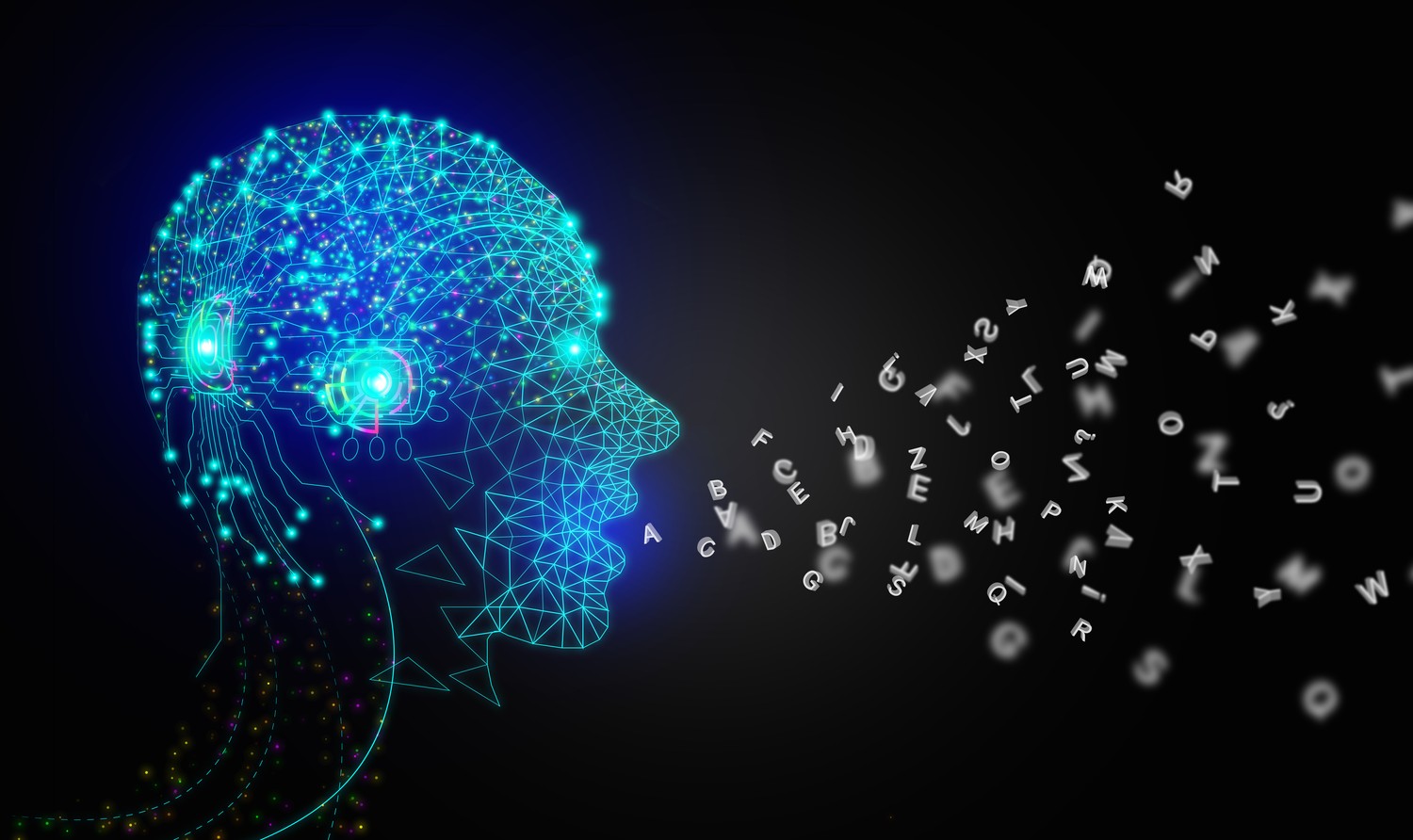
Voice cloning involves using artificial intelligence to reproduce a person’s voice. Publicly available audio and video recordings, such as those shared on social media, can serve as the basis for this technology. It is now even possible to hold real-time conversations using AI-generated voices.
In shock call scams, a cloned voice can increase the emotional pressure on victims. However, as the National Cyber Security Centre (NCSC) explains, it is not always possible to determine whether artificial intelligence was actually used in the reported calls.
A case from the canton of Schwyz in January 2026 illustrates the financial damage such deception can cause in the business world: a company lost several million Swiss francs after criminals used an AI-generated voice to impersonate a familiar business partner.

It is not just voices, but also faces, movements and entire situations that can be artificially created or altered. Criminals exploit these possibilities in the following scams, amongst others:
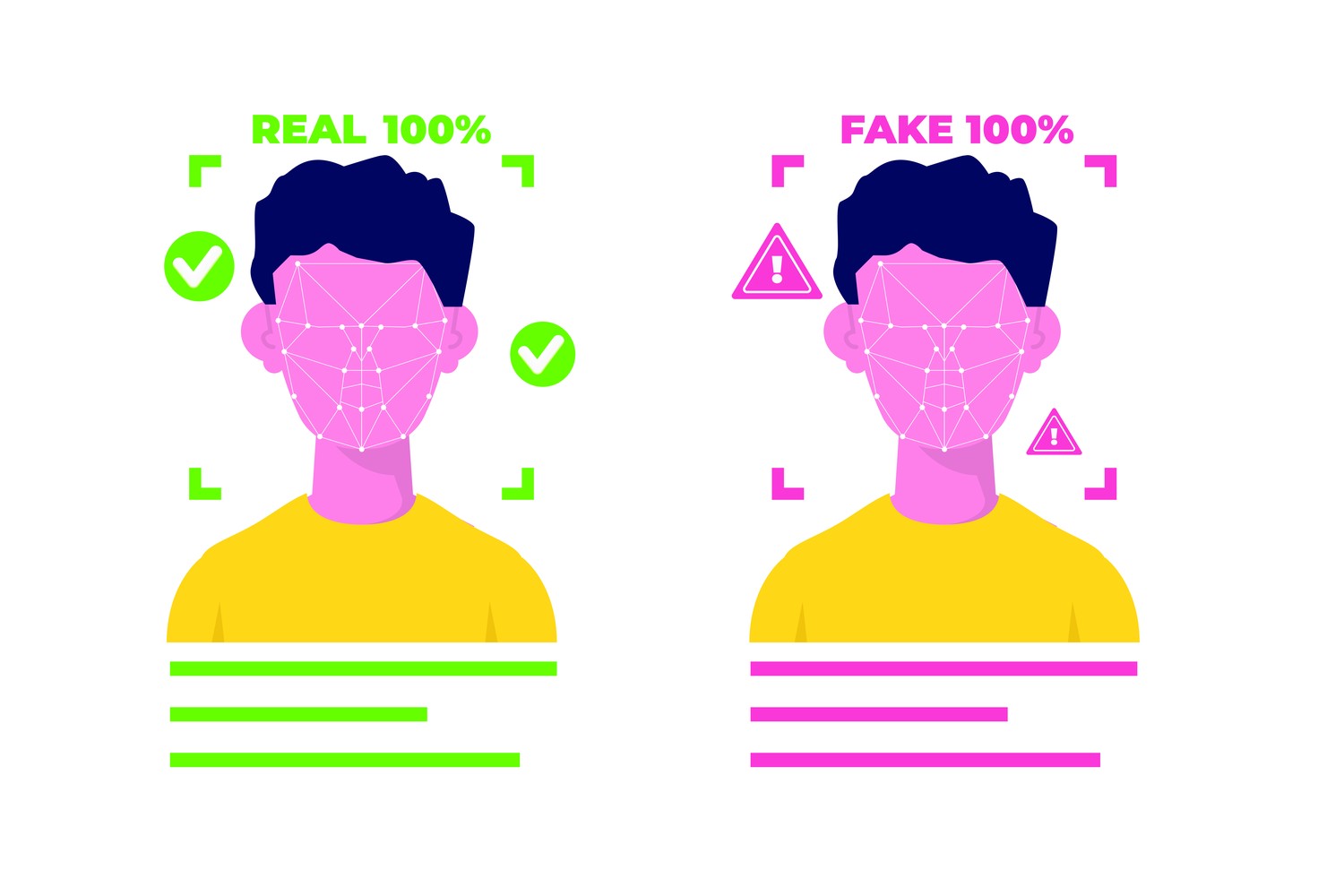
Certain visual, auditory or linguistic anomalies may indicate deception, but do not allow for a reliable distinction between genuine and artificially generated content.
In the case of AI-generated voices, unnatural intonation, conspicuous pauses in speech or unusual pronunciation can provide initial clues. With manipulated images, it is worth taking a closer look at inconsistent shadows, distorted objects or illogical details in the background. In AI-generated videos, out-of-sync lip movements, unnatural facial expressions or blurred facial transitions may indicate manipulation.
Also pay attention to the behaviour of the person you’re speaking to. Unusual demands, an unfamiliar way of speaking or evasive answers to personal questions should make you suspicious.
As AI technology continues to advance, such anomalies may become increasingly rare. Conversely, even authentic footage can appear unusual due to a poor internet connection or image compression.
How good are you at spotting AI-generated images? Can you tell the difference between real photos and artificially generated images? The NCSC has published an interactive test that allows you to check your ability to spot them.
Video: The National Cyber Security Centre (NCSC) demonstrates how convincing AI-generated voices and manipulated videos can be, and how you can protect yourself against such deception.
By taking a few simple precautions, you can reduce the risk of AI-enabled fraud:
Verify requests for money independently: If in doubt, end the conversation and call the person back using a telephone number you already know – even after a video call. In businesses, the four-eyes principle offers additional protection when making payments or changing bank details.
Agree on a code word: Choose a secret family code word that can serve as an additional security measure in the event of a supposed emergency.
Think before sharing recordings: According to an NCSC assessment from August 2026, around ten seconds of audio can be enough to clone a voice. Use social media privacy settings and carefully consider which photos, videos and voice recordings you make publicly available.
Check the original source: Find out whether apparent interviews, endorsements or promotional videos are also available on the official websites and channels of the people or organisations featured.
What should you do if you fall victim to fraud? If you suspect you may have suffered financial loss, contact your bank or card provider immediately. If you suspect that your card details have been misused, block your card straight away. Keep any relevant messages, recordings and screenshots. You can report suspicious incidents via the NCSC reporting portal. If you have suffered a loss, you should also report the incident to the police.
A familiar voice, a convincing photo or a realistic video are not reliable forms of identification. Therefore, if you receive unexpected requests for money, take the time to verify the situation independently before taking any action.
Not everything that appears credible is actually true.

© Swiss Bankers 2026


