


Important information:
Am 10. April 2024 wurden das Kundenportal sowie der Web-Zugriff auf das Kartenkonto eingestellt. Bitte laden Sie die Swiss Bankers App herunter, um weiterhin uneingeschränkten Zugriff auf alle Dienste zu haben.
Are you a Swiss Bankers sales partner?
Hier geht es zum Partnerportal.
Italian cuisine – synonymous with pleasure, passion and tradition. From the sun-drenched coasts of Liguria to the picturesque island landscape of Sicily, Italy’s Mediterranean cuisine offers a wealth of aromas, colours and flavours that tantalise the senses and warm the heart. In this blog post, we invite you on a culinary journey through Italy to discover the diversity and richness of Italian cuisine.
 16.05.2024
 Eliza
Contents:
A culinary journey through Liguria: The delicate flavours of the north-west
The flavours of Tuscany: A tribute to simplicity and quality
The delights of Emilia-Romagna: A culinary ode to the palate
The delicacies of Rome: Culinary temptation in the Eternal City
Naples: The cradle of pizza and other gastronomic gems of the South
The diversity of Sicily: A symphonic ode to the diversity of the Mediterranean
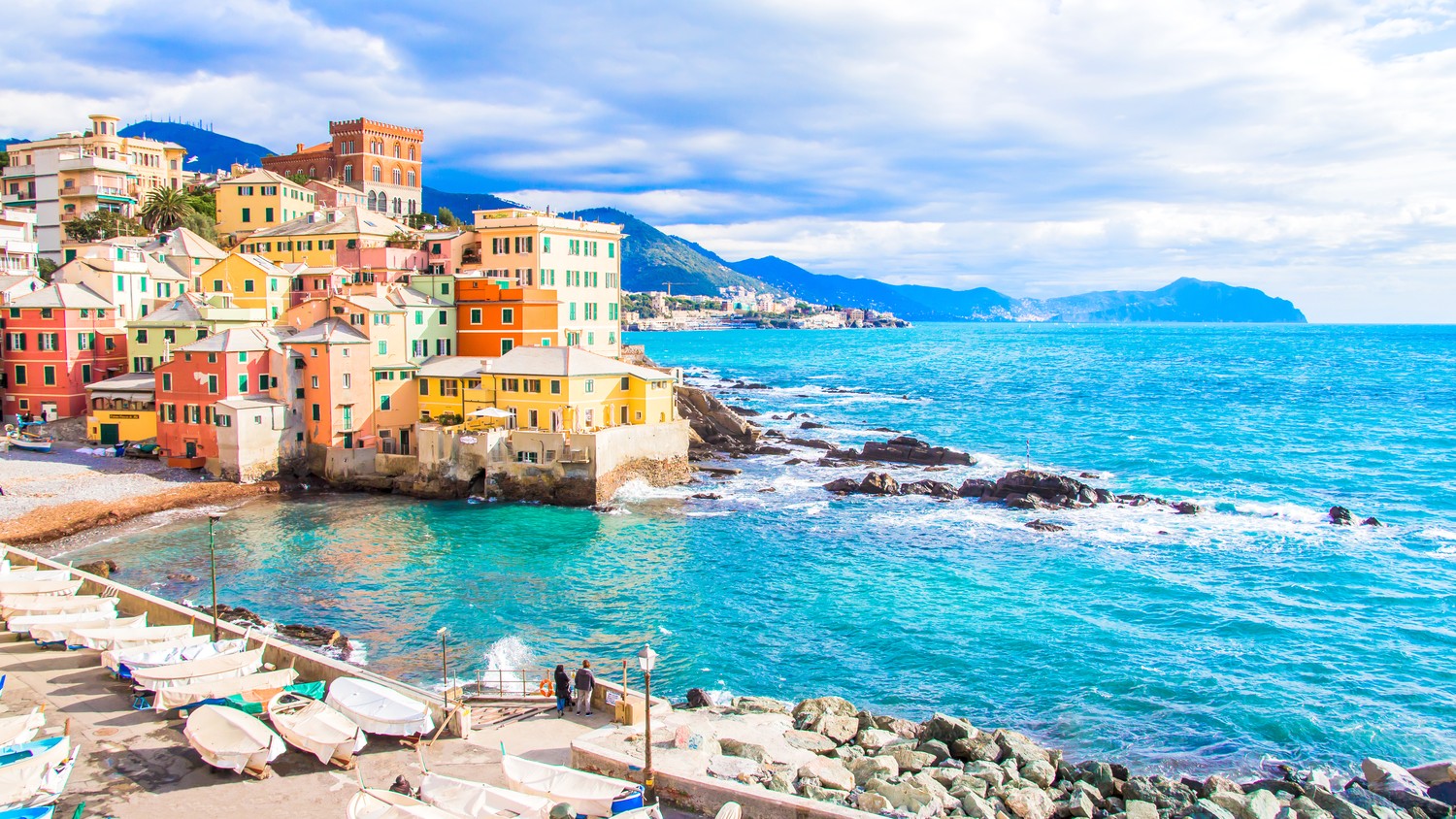
Photo: Genoa is home to many typical Ligurian dishes
Our culinary journey begins in Liguria, a region in the north-west of the country renowned for its breathtaking coastal scenery and its delicate flavours. Many traditional dishes originate from the port city of Genoa, where, whilst exploring Genoa’s sights, you’ll inevitably come across authentic trattorias serving pesto, focaccia and fresh seafood.
Liguria is famous for its pesto alla genovese, a savoury basil sauce made with garlic, pine nuts, Parmesan and olive oil. This wonderfully green sauce is an essential ingredient in many Ligurian dishes, particularly trofie alla genovese, a regional type of pasta that pairs perfectly with pesto. Pasta lovers will also adore Pansotti di Borraggine, a type of ravioli filled with borage, ricotta and herbs, served with sage butter. Focaccia Genovese, a flatbread baked with olive oil and sea salt, is another Ligurian speciality, often served as a starter or snack, and which comes in various versions, e.g. with cheese (Focaccia di Recco) or with tomato sauce, anchovies and olives (Sardenaira di Sanremo). Liguria is also renowned for its fish and seafood dishes.
A particularly popular speciality is Fritto Misto di Mare, a mix of deep-fried seafood such as calamari, prawns and anchovies, served with lemon wedges and a pinch of sea salt. Also of interest to fish lovers is Brandacujun, a regional dish made from stockfish, potatoes, olive oil and garlic. For meat lovers, Coniglio alla Ligure – a braised rabbit dish with olives, tomatoes and herbs – is a delicious choice. A popular starter is ‘Farinata di Ceci’, a thin chickpea flatbread, which is sometimes served topped with rosemary, leek or similar ingredients. ‘Panissa fritta’, also made from chickpea flour, is a finger food often served with an aperitif. For those who prefer something sweet, Liguria also offers some delicious desserts, including ‘Baci d’Alassio’, spherical chocolate biscuits with a chocolate cream filling, and ‘Amaretti Morbidi di Sassello’, sugary, soft almond biscuits. Pandolce Genovese, a fruity cake with dried fruit and nuts, is mainly served during the Christmas season. The list could go on forever, as Ligurian cuisine is a tribute to the freshness and abundance of local ingredients and reflects the relaxed way of life and love of good food that characterise this region.
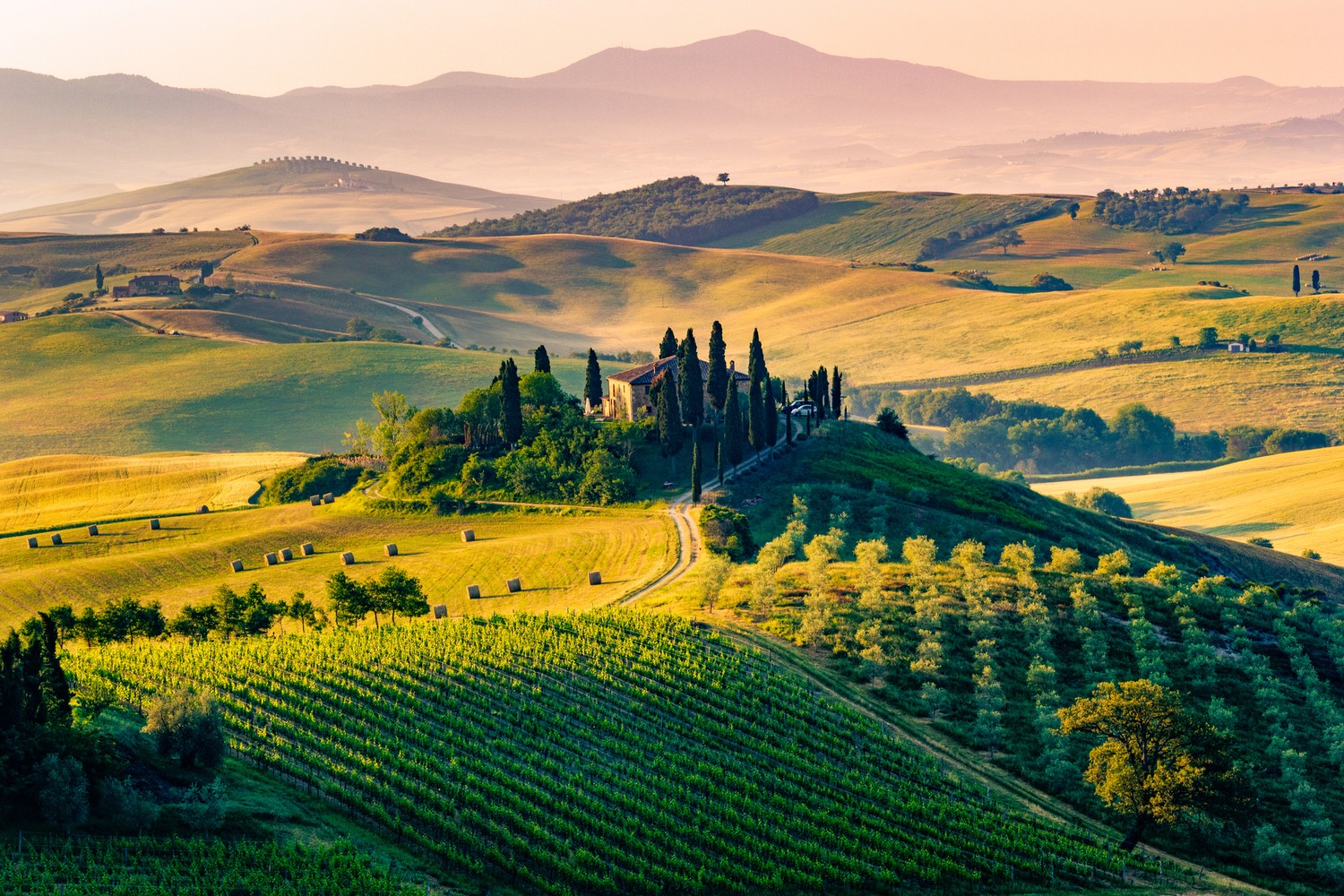
Photo: Tuscany, home to a sophisticated yet down-to-earth cuisine
Our culinary journey continues in Tuscany, which is famous for its refined yet down-to-earth cuisine. Here, high-quality regional ingredients such as olive oil, garlic, tomatoes and herbs like rosemary and sage are transformed into delicious dishes. A typical starter in Tuscany is crostini neri: toasted bread spread with a savoury chicken liver pâté. Ribollita is one of the oldest and most popular traditional Tuscan dishes. It is a vegetable soup in which pulses and black cabbage are essential ingredients. An undeniable highlight is the Florentine steak, the Bistecca alla Fiorentina – a juicy T-bone steak grilled over an open flame and seasoned with a pinch of salt. Another typical Tuscan dish is pici all’aglione. Pici – fresh, coiled pasta shaped like large, long spaghetti – are often served with a classic wild boar sauce, but it is the garlic that makes this speciality so distinctive. As well as savoury delights, the Tuscans are also known for their sweet treats. Cantucci, crisp almond biscuits that go perfectly with a glass of Vin Santo, are a popular dessert along the Tuscan coast.
Equally tempting is the Schiacciata alla Fiorentina, a fluffy cake with an orange flavour, often dusted with icing sugar. Tuscan cuisine reflects the region’s rich culture and natural beauty and is an integral part of the Tuscan way of life. Whether you’re exploring the local markets to buy fresh ingredients or sitting in a cosy trattoria sampling traditional Tuscan dishes, Tuscan cuisine will delight you with its simplicity, freshness and authenticity. Discover more wonderful sights in Tuscany on our blog.
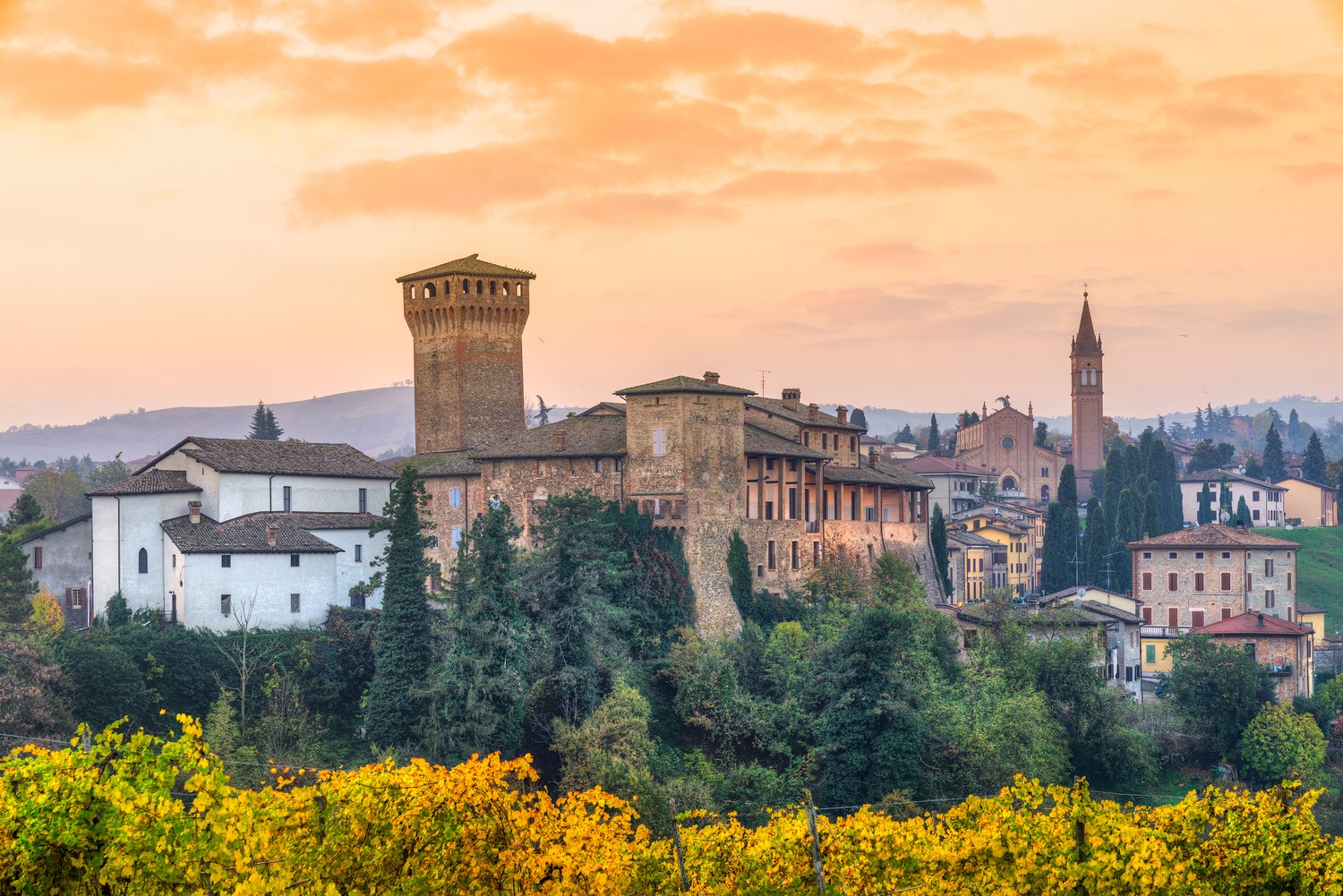
Photo: The Emilia-Romagna region is best known for its pasta
As we journey through Italy’s culinary treasures, we mustn’t miss the chance to take a detour to Emilia-Romagna. The region is best known for its pasta. Here you’ll find some of the most famous Italian pasta varieties, such as tortellini, tagliatelle, cannelloni and lasagne. Each of these pasta types is carefully prepared by hand, with achieving the perfect texture and thickness of each sheet of dough being an art in itself. A typical tortellini dish is ‘Tortelli/Tortelloni d’Erbetta’, filled with spinach or Swiss chard and ricotta, and served with butter, Parmesan and herbs. Tortellini in Brodo, on the other hand, are filled with a rich mixture of meat, prosciutto, mortadella and Parmigiano Reggiano, and are cooked and served in beef and chicken stock. Other typical regional pasta dishes include lasagne verdi alla bolognese and tagliatelle al ragù. Another highlight of Emilia-Romagna is Parmigiano Reggiano, a delicious hard cheese produced in the region and renowned for its rich, nutty flavour and crystalline texture. This fine cheese is often enjoyed on its own or used as an ingredient in many traditional dishes, including risotto and pasta. As well as pasta and cheese, Emilia-Romagna is also renowned for its delicious meat dishes, particularly the famous Prosciutto di Parma and the savoury Salami di Felino. These fine cured meats are produced with great care and bear witness to the craftsmanship and dedication of the local butchers. And, of course, one mustn’t forget to sample the sweet temptations of Emilia-Romagna, such as zabaione, a wine-based foam usually made with Marsala, or torta di riso, a kind of soft rice cake made entirely without flour. Emilia-Romagna is a mecca for food lovers, where every meal becomes a feast for the senses.
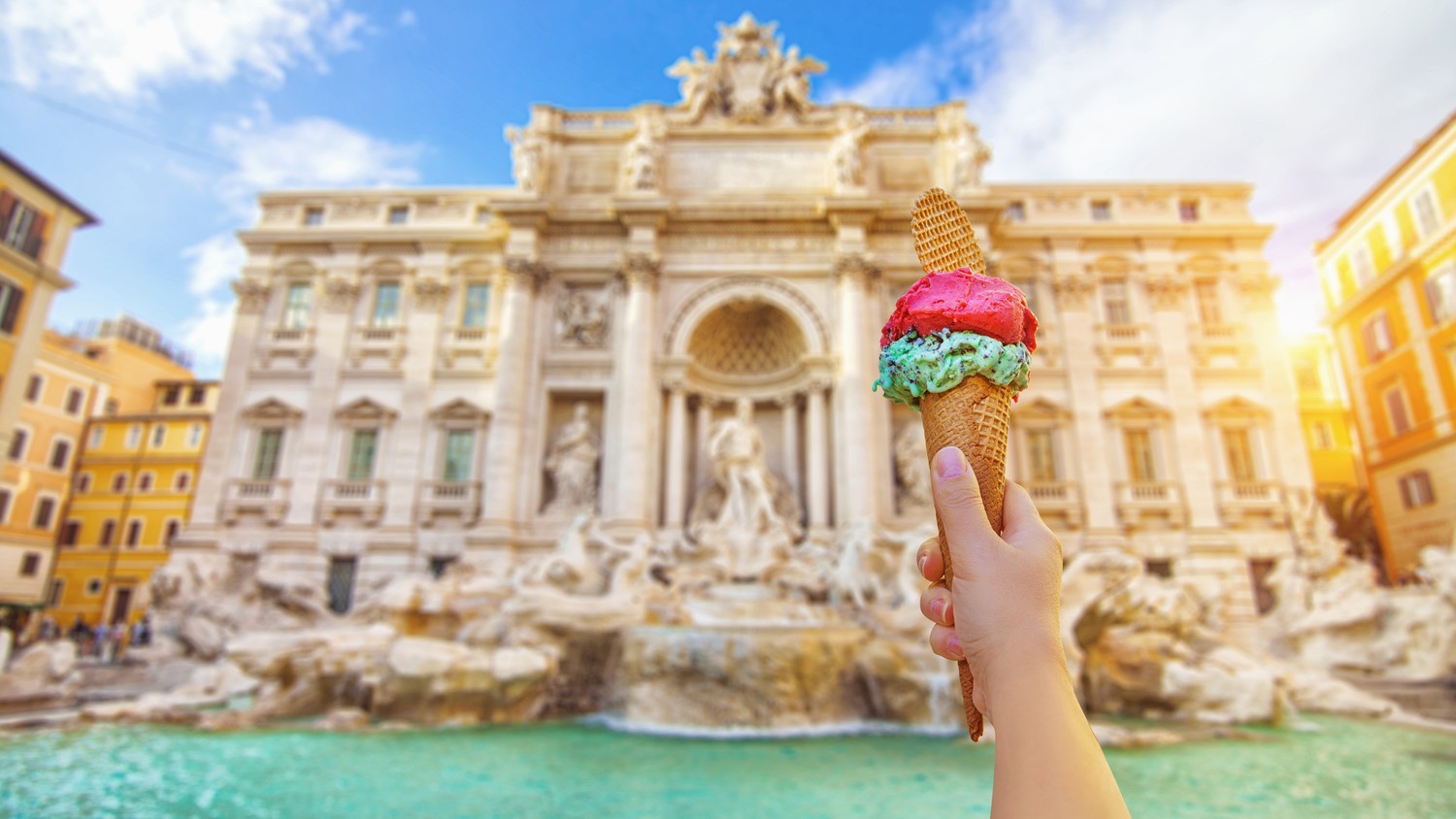
Photo: Italian gelato is best enjoyed in Rome
Our journey continues to Italy’s capital, Rome, where history and gastronomy go hand in hand. Here, ancient recipes meet modern innovations to create a delicious variety that delights every palate. Roman cuisine is characterised by its versatility and richness of flavours. Let’s start with the famous carciofi alla romana – artichokes braised with garlic, mint and lemon – which can be found as a side dish in almost every restaurant. At the heart of Roman cuisine are the pasta dishes cacio e pepe, carbonara and amatriciana, which the Romans also refer to as the Holy Trinity. Gricia, a white version of Amatriciana made with pancetta and Pecorino cheese, is also a delicacy and a possible precursor to the famous Amatriciana dish. Also worth mentioning is the Pinsa Romana, the Roman version of pizza, which has been growing in popularity in recent years. The pinsa is a rather oblong flatbread which, in addition to wheat flour and sourdough, contains rice, soya or chickpea flour. The particularly long proving time makes the pinsa light and easy to digest. As well as savoury dishes, visitors should definitely try Rome’s sweet temptations. Popular desserts include maritozzi, sweet buns filled with whipped cream, and the crostata ricotta e visciole, a type of tart made with ricotta cheese and sour cherries. Of course, gelato – Italian ice cream – is also an essential treat that you simply mustn’t miss whilst in Rome. There’s a huge selection of flavours available in countless gelaterias. Tiramisu, originally a speciality from the Veneto region, has been incorporated into Rome’s culinary tradition, and the city has developed many variations of this delicious dessert. Roman cuisine pays homage to the city’s history and culture and is an integral part of the Roman way of life.
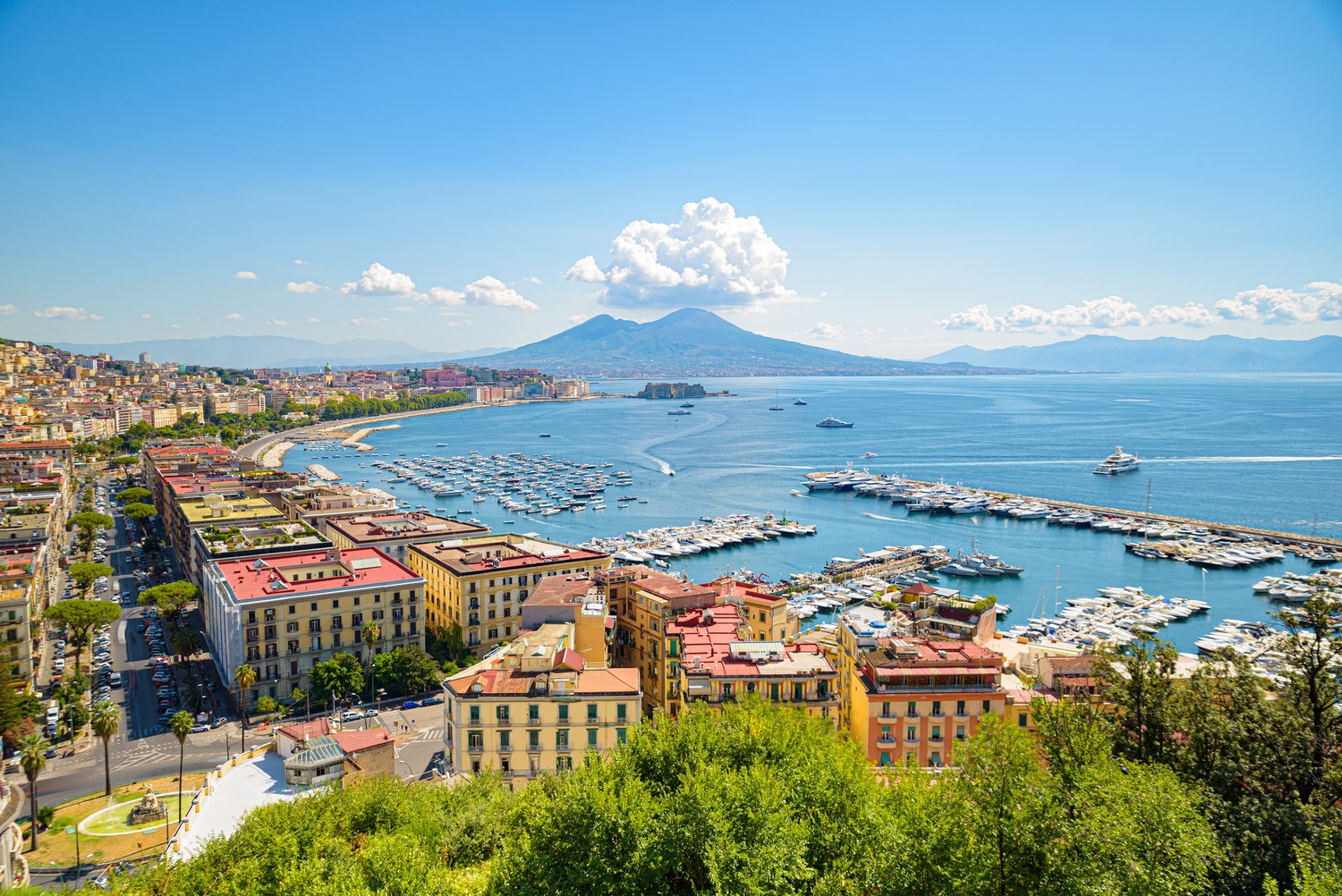
Photo: Naples, the birthplace of pizza
Our culinary journey takes us to Naples, the capital of the Campania region and the birthplace of pizza. Here, in the narrow alleyways and lively piazzas, visitors can sample authentic Neapolitan pizza, renowned for its thin, crispy base and fresh, high-quality ingredients. As well as pizza, Naples offers a wealth of other culinary delights. Be sure to try the famous pasta e patate, a hearty soup made with pasta, potatoes and tomatoes, which is perfect for the cold winter months. Other typical pasta dishes include cannelloni alla napoletana, which is traditionally filled with boiled eggs, mozzarella, Parmesan and a Neapolitan ragù made from beef and pork, onions, tomato purée and red wine. A simple but delicious pasta dish: gnocchi alla Sorrentina, served with tomato sauce, fiordilatte cheese, Parmesan and basil. Campanian starters include the well-known Insalata Caprese (made with mozzarella and tomatoes) and bruschetta (toasted bread with garlic, olive oil and tomatoes). Fresh seafood is also used in typical Neapolitan dishes, such as spaghetti alle vongole. But Neapolitan cuisine has much more to offer: delicious sweet treats such as sfogliatelle, crispy puff pastry pastries filled with sweet ricotta cream, or the so-called babà, a traditional yeast-raised cake that is classically soaked in rum. There are now many variations available, served with syrup, fruit juice, limoncello or other liqueurs. In short, Naples offers a wealth of gastronomic experiences waiting to be discovered. Neapolitan cuisine is characterised by its simplicity and flavour, and the locals take great pride in their culinary traditions. It is undoubtedly one of Naples’ culinary highlights.
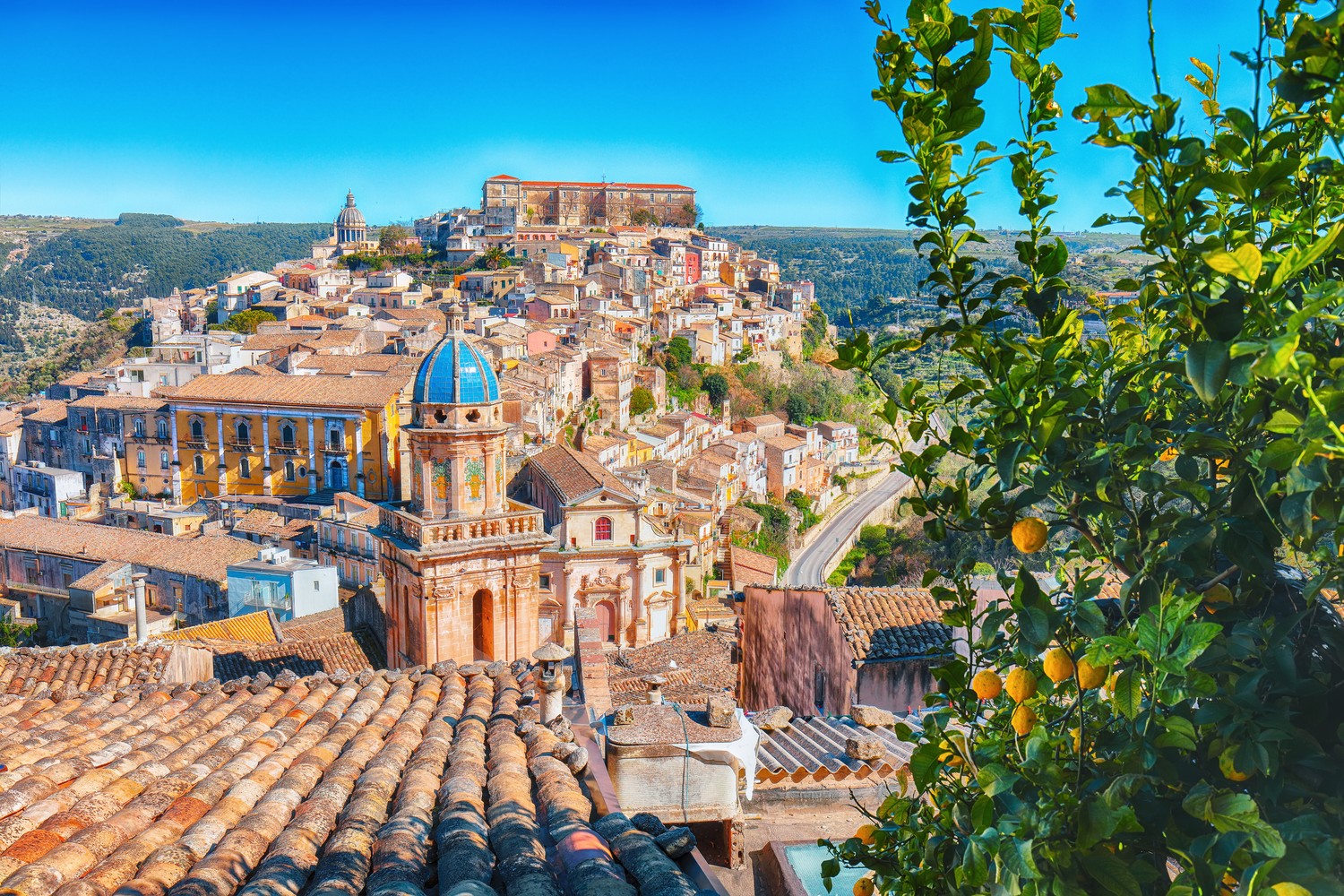
Photo: Sicilian cuisine is characterised by Arabic, Greek and Spanish influences
Our culinary journey through Italy ends in Sicily, the largest island in the Mediterranean and a melting pot of cultures and flavours. Sicilian cuisine is characterised by Arabic, Greek and Spanish influences and offers a fascinating blend of sweet, savoury and spicy flavours. Here you’ll find an abundance of fresh ingredients, including olive oil, tomatoes, fish and seafood, as well as a rich selection of spices and herbs. From savoury pasta dishes such as pasta alla Norma – a delicious combination of tomato sauce, aubergines and ricotta salata – to fresh fish dishes such as swordfish or tuna, Sicily offers a wealth of gastronomic experiences. Anyone wishing to discover the island’s culinary side should also take a look at Sicily’s impressive sights – because gastronomy and culture go hand in hand here. The queen of Sicilian dishes is the so-called caponata, with its typical Mediterranean flavour and sweet-and-sour aroma. It’s made with fried aubergines, celery, onions, salt, tomatoes, capers, vinegar, olives and sugar, and is perfect as a starter or side dish. Another very well-known Sicilian dish that you simply must try is arancini – deep-fried rice balls, usually filled with minced meat and peas or ham and mozzarella. But Sicily’s culinary treasures are not limited to savoury dishes. The island is also renowned for its sweet treats, including cannoli – crispy pastry tubes filled with sweet cream – and cassata, a richly decorated cake with candied fruit and marzipan. Sicilian cuisine reflects the island’s rich history and culture and is an integral part of the Sicilian way of life.
Conclusion: Italian cuisine is a feast for the senses that reflects the rich diversity of Italy’s landscape and culture. From the picturesque coastal landscapes of Liguria, through the hills of Tuscany and the streets of Rome, to the breathtaking island scenery of Sicily, every region of Italy offers its own culinary treasures and traditions waiting to be discovered. Whether you wish to savour the hearty flavours of Tuscany, the refined simplicity of Rome, the exotic flavours of Sicily, the delicate flavours of Liguria or the traditional delicacies of Naples, Italian cuisine will delight you with its diversity, freshness and authenticity. So let yourself be seduced by the flavours of Italy and set off on a culinary journey through this wonderful country, which delights not only the stomach but also the soul. Buon appetito!
P.S.: Do take a look at our Travel Deals to find the latest offers on your dream destinations.

© Swiss Bankers 2026


