


Important information:
Am 10. April 2024 wurden das Kundenportal sowie der Web-Zugriff auf das Kartenkonto eingestellt. Bitte laden Sie die Swiss Bankers App herunter, um weiterhin uneingeschränkten Zugriff auf alle Dienste zu haben.
Are you a Swiss Bankers sales partner?
Hier geht es zum Partnerportal.
Costa Rica is renowned for its breathtaking natural beauty, diverse wildlife and countless adventure activities. This small country in Central America offers a wealth of experiences that will delight both adrenaline junkies and nature lovers alike. With two coastlines, dense rainforests, active volcanoes and a multitude of national parks, Costa Rica is a true paradise for anyone seeking adventure and who appreciates the beauty of nature.
 02.08.2024
 Eliza
Contents:
Natural wonders and biodiversity in Costa Rica: rainforests, wildlife and unspoilt beauty
Adventures and activities in Costa Rica: zip-lining, volcano hikes, surfing and more
Sustainable tourism in Costa Rica: Discover eco-lodges and environmentally friendly tours
Culture & cuisine in Costa Rica: traditions, festivals and culinary delights
Practical travel tips for your trip to Costa Rica: best time to visit, currency & getting around
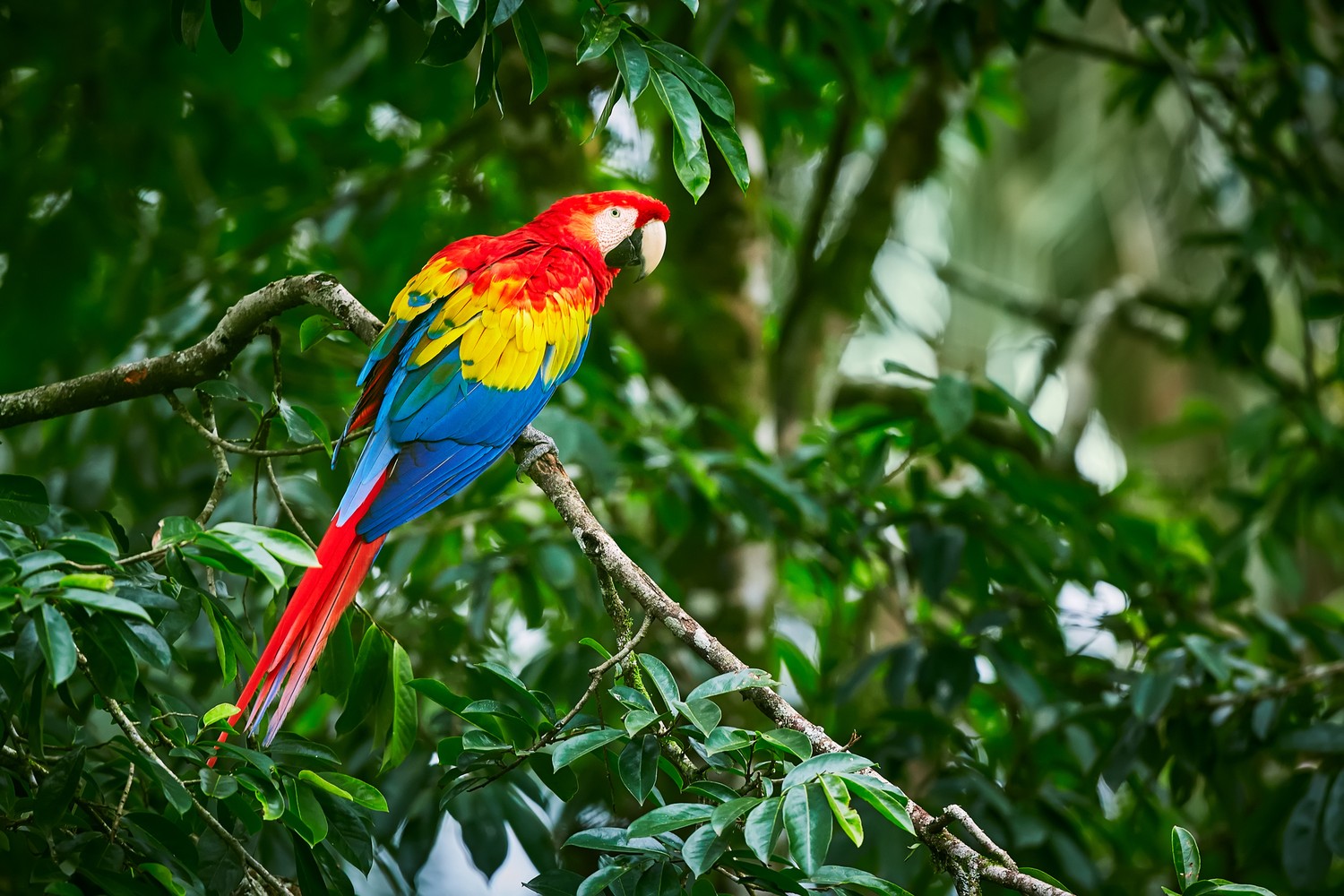
Photo: Costa Rica’s fascinating biodiversity – the famous scarlet macaw can be seen here in the wild
Costa Rica is home to around five per cent of the world’s biodiversity, even though it covers just 0.03 per cent of the Earth’s surface. This is evident in the numerous national parks and nature reserves, which make up almost a quarter of the country’s land area. The country’s rainforests, such as the famous Monteverde Cloud Forest, are home to an impressive variety of plants and animals. Here, you can spot colourful birds such as the famous scarlet macaw or the resplendent quetzal, watch monkeys playing in the treetops and discover rare species of orchid. The coastal regions also boast a rich diversity of species. In Marino-Ballena National Park, for example, you can spot humpback whales and dolphins, whilst the turtle beaches in Tortuguero attract thousands of sea turtles every year to lay their eggs. These unique nature experiences make Costa Rica an ideal destination for anyone with a passion for flora and fauna.
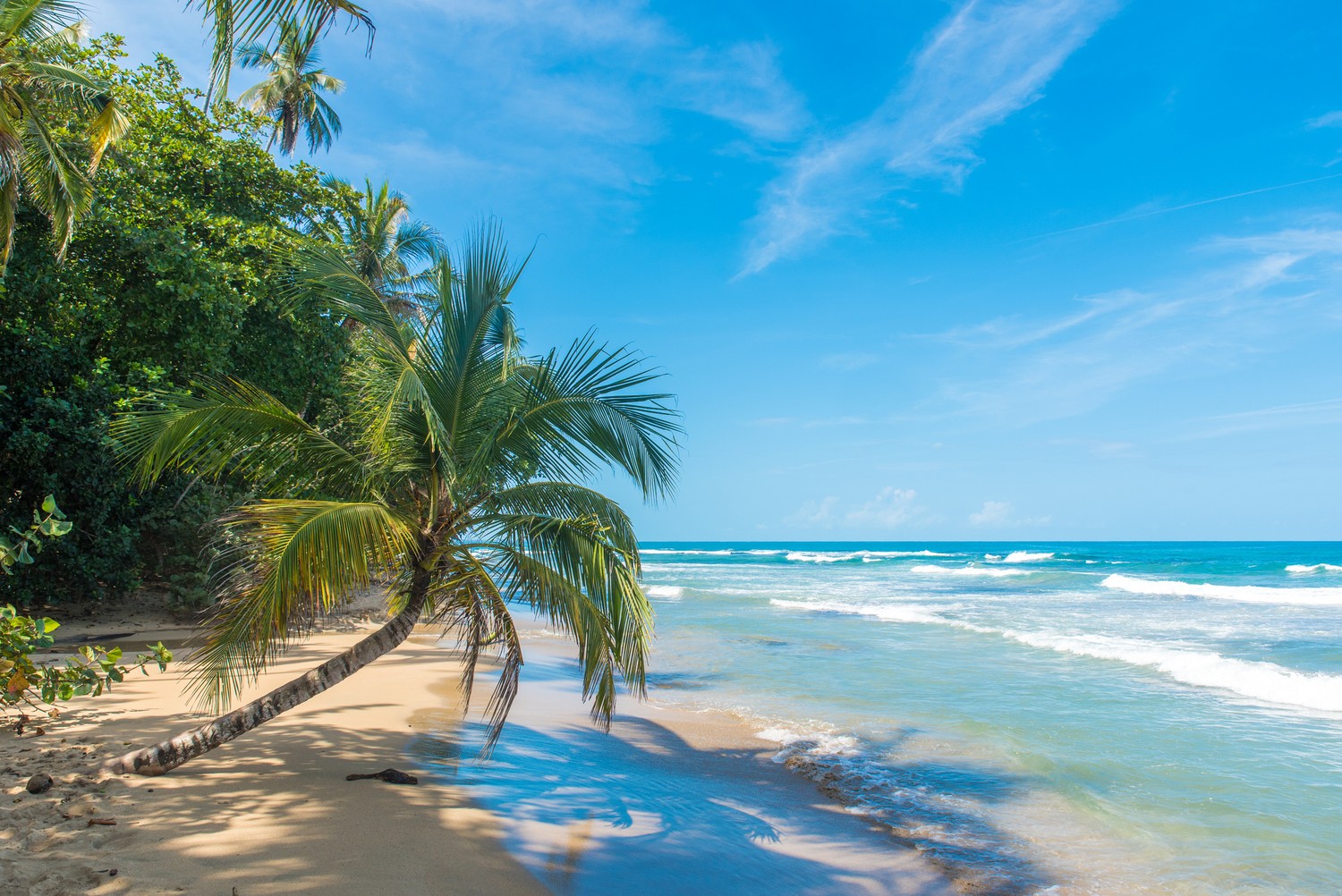
Photo: Playa Chiquita, on Costa Rica’s Caribbean coast, offers a peaceful and picturesque setting, ideal for relaxing and snorkelling.
Costa Rica is renowned for its stunning beaches, which are situated on both the Pacific and Caribbean coasts. One of the most famous beaches is Manuel Antonio, which forms part of the national park of the same name and captivates visitors with its white sand and the lush vegetation that surrounds it. Tamarindo, a surfer’s paradise, offers perfect waves and a lively nightlife. The beaches of Santa Teresa and Mal País on the Nicoya Peninsula are ideal for anyone seeking tranquillity and natural beauty. Playa Conchal, with its unique shell sand, and Playa Flamingo, known for its picturesque sunsets, are also among the highlights of the Pacific coast. On the Caribbean coast, the beaches of Puerto Viejo attract visitors with their crystal-clear waters and laid-back Caribbean atmosphere. Playa Chiquita, also situated on the Caribbean coast, offers a peaceful and picturesque setting, ideal for relaxing and snorkelling. Cahuita and the nearby national park offer not only beautiful beaches but also impressive snorkelling and diving opportunities in the protected coral reef.
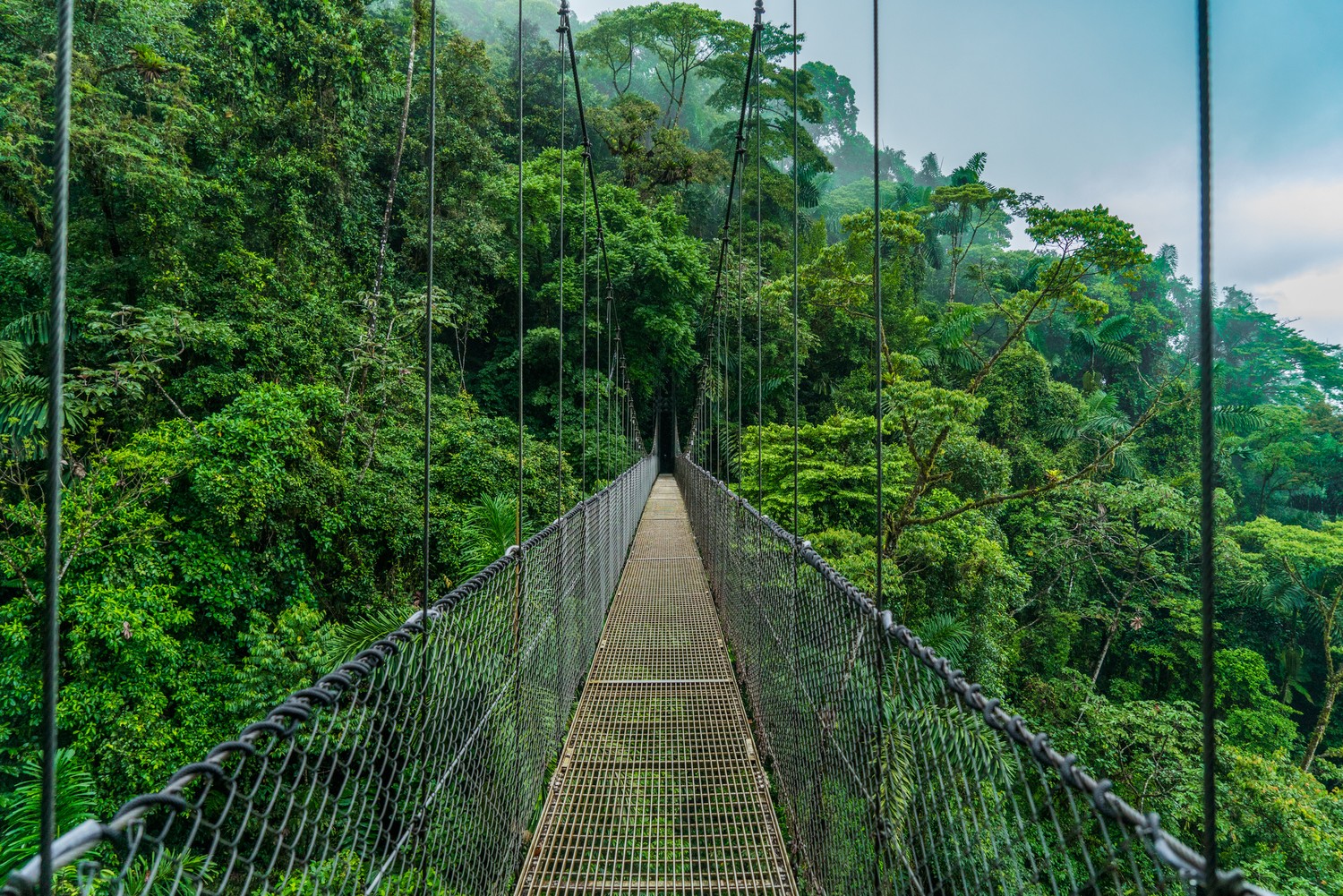
Photo: The suspension bridges at Suspension Bridge Park in Monteverde offer a spectacular view of the tropical forests
Costa Rica is a paradise for adventurers and offers a wide range of exciting activities. Ziplining, for example, is very popular. In places such as Monteverde and Arenal, visitors can set off from high platforms and, secured to a wire rope, glide at breakneck speed through the forest canopy. You can enjoy an equally spectacular view of the tropical forests from the suspension bridges in Monteverde’s Suspension Bridge Park, which allow you to walk amongst the treetops at dizzying heights and experience the lush vegetation from a unique perspective. Volcanic landscapes such as the active Arenal Volcano or the imposing Poás Volcano offer challenging hiking trails with breathtaking views. In Corcovado National Park in the south of the country, one of the most biologically diverse places on Earth, there are extensive hiking trails through pristine rainforests where, with a bit of luck, you can spot tapirs, jaguars and a variety of monkey species. Costa Rica’s rivers, particularly the Pacuare, are ideal for white-water rafting and offer a real adrenaline rush. The Pacific coast is also a true paradise for water sports enthusiasts. Surfing the waves at Tamarindo or Jaco, diving in the waters around Isla del Coco or snorkelling among the coral reefs off the coast all offer unforgettable experiences. The Caribbean coast, on the other hand, is renowned for its calm, crystal-clear waters, which are ideal for kayaking and stand-up paddleboarding.
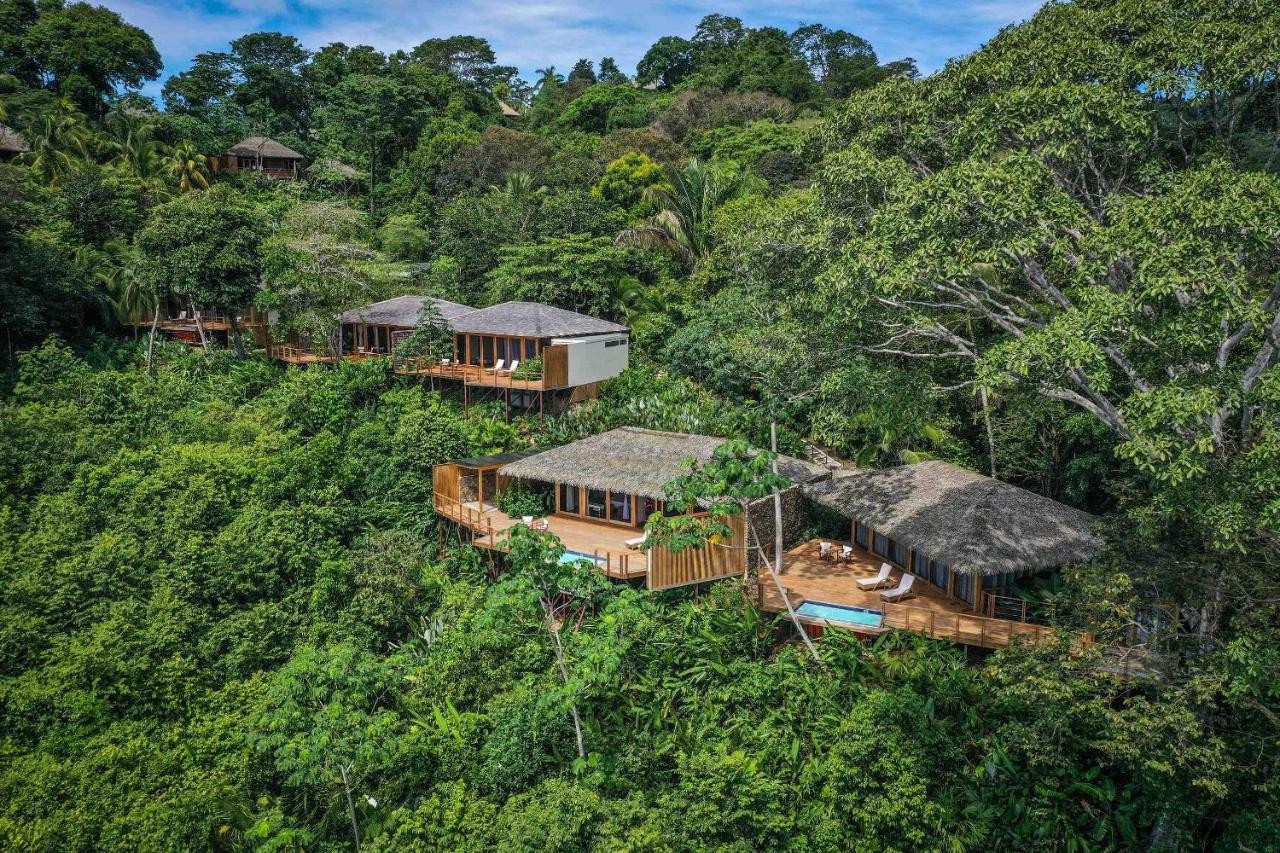
Photo: Lapa Rios Lodge on the Osa Peninsula offers sustainable luxury in the heart of the rainforest
Costa Rica is a world leader in sustainable tourism. The country recognised early on that the conservation of its natural resources is of crucial importance. Many lodges and hotels prioritise eco-friendly practices, such as the use of renewable energy, water recycling and support for local communities. An outstanding example is the Lapa Rios Lodge on the Osa Peninsula, which offers sustainable luxury in the heart of the rainforest. Another exemplary destination is the Finca Rosa Blanca Coffee Plantation Resort in the mountains near San José, which stands out for its eco-friendly design and sustainable coffee cultivation. The ‘Certification for Sustainable Tourism’ (CST) ecotourism certificate helps travellers find eco-friendly accommodation and tour operators. For sustainable tours, Osa Wild is a highly recommended choice. This operator organises eco-friendly tours in Corcovado National Park and places great emphasis on protecting the local flora and fauna. These initiatives ensure that visitors can enjoy Costa Rica’s natural beauty without harming the environment. The country’s sustainable approach makes it a role model for eco-tourism worldwide.

Photo: The region around the town of Naranjo, renowned for its coffee cultivation. Visitors can see old coffee mills and traditional roasting methods at historic coffee plantations.
As well as its natural wonders and adventures, Costa Rica offers a rich culture and warm hospitality. The Ticos, as the locals call themselves, are known for their friendly and laid-back nature. The motto ‘Pura Vida’, which means ‘pure life’, reflects the Costa Ricans’ positive outlook on life and will accompany visitors at every turn. Culturally, Costa Rica has much to offer, including the country’s fascinating coffee tradition. The region around the town of Naranjo, renowned for its coffee cultivation, offers insights into the traditional coffee processing methods. Visitors can explore old coffee mills and traditional roasting methods at historic coffee plantations and experience the production of Costa Rica’s famous Arabica coffee. In the cities of San José and Cartago, you can also discover colonial architecture, interesting museums and lively markets. Traditional festivals, such as the annual ‘Fiesta de los Diablitos’ celebrated by the indigenous Boruca people, offer deep insights into the country’s history and customs. Costa Rican cuisine is simple but flavourful. Typical dishes such as ‘Gallo Pinto’ (rice and beans), ‘Casado’ (a meal consisting of meat, rice, beans, plantains and salad) and ‘Sopa Negra’ (black bean soup) are rich in local ingredients and reflect the country’s rural traditions. Fresh tropical fruit and delicious local coffee round off the culinary experience.
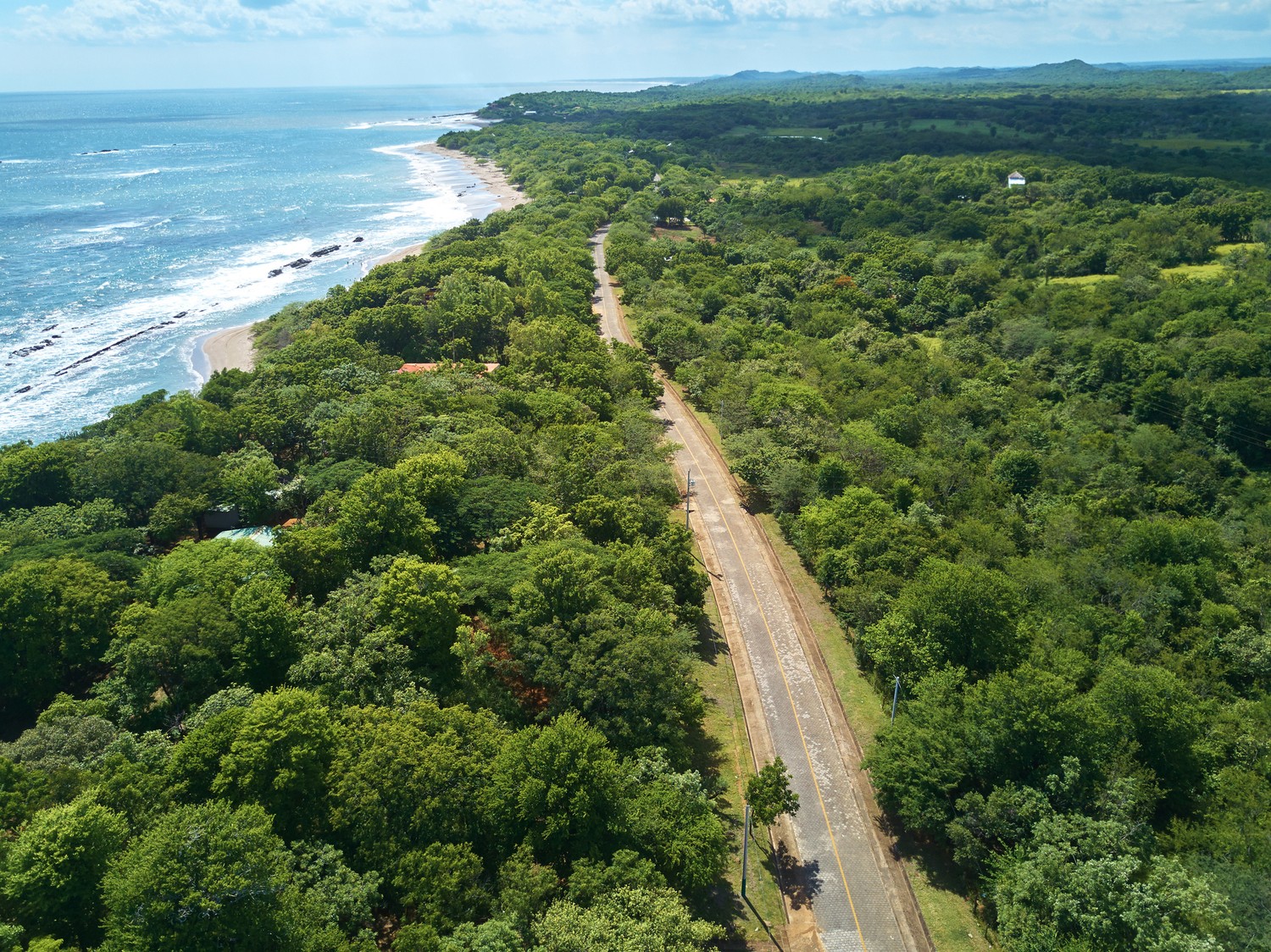
Photo: A picturesque country road near the Pacific coast of Costa Rica
To make the most of your stay in Costa Rica, there are a few practical tips to bear in mind. The best time to visit is during the dry season from November to April, when the weather is sunny and the roads are in good condition. Although rainfall can be heavier during the wet season from May to October, the countryside is particularly green at this time and less crowded. The country’s currency is the Costa Rican colón (CRC), but US dollars are also accepted in many places. Spanish is the official language, but English is often spoken in tourist areas. However, it is advisable to have a basic knowledge of Spanish to make it easier to interact with the locals and thus have a more authentic experience. The infrastructure in Costa Rica is well developed, although roads in rural areas can be challenging. An off-road vehicle is therefore recommended, particularly if you wish to explore remote national parks or coastal regions. Furthermore, for environmental reasons, it makes sense to take part in guided tours, as these are often organised by experienced guides who are committed to protecting nature and promoting sustainable practices.
Conclusion: Costa Rica is an unrivalled destination offering a perfect blend of adventure, nature and culture. Its impressive biodiversity, exciting outdoor activities and the warm hospitality of the Ticos make it a paradise for anyone seeking something special. With a strong focus on sustainability, Costa Rica demonstrates how responsible tourism can be put into practice. Whether you’re hiking through dense rainforests, relaxing on unspoilt beaches or discovering the local culture – Costa Rica will leave every visitor with unforgettable memories.

© Swiss Bankers 2026


