


Important information:
Am 10. April 2024 wurden das Kundenportal sowie der Web-Zugriff auf das Kartenkonto eingestellt. Bitte laden Sie die Swiss Bankers App herunter, um weiterhin uneingeschränkten Zugriff auf alle Dienste zu haben.
Are you a Swiss Bankers sales partner?
Hier geht es zum Partnerportal.
Genoa, the capital of Liguria, lies nestled between the Alps, the Apennines and the Mediterranean Sea on the Ligurian Riviera. Amidst narrow alleyways, magnificent palazzi and the Mediterranean way of life lies a city full of contrasts – and full of hidden gems. In this article, discover Genoa’s highlights and sights, hidden gems off the beaten track, and the charm of the Ligurian Riviera.
 22.09.2025
 Eliza
Contents:
The best time to visit Genoa’s Old Town and the Ligurian coast
Discover Genoa’s Old Town and its most beautiful neighbourhoods
Hidden Gems in Genoa: Insider tips for the Ligurian port city
Discover Liguria: Excursions & activities in and around Genoa
Getting around: Travelling in Genoa & along the Ligurian Riviera
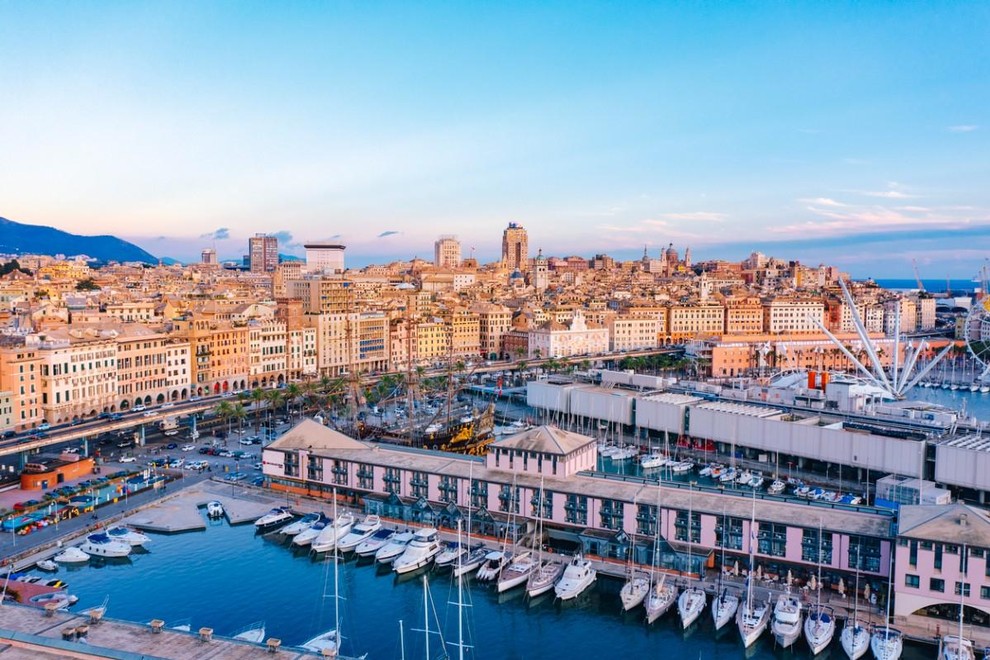

Photo: Spring sunshine over Genoa’s old town – the perfect time to visit, with a mild climate and bright, clear light.
Genoa is situated in north-western Italy, between the Alps, the Apennines and the Mediterranean Sea. This sheltered location ensures the pleasant climate that makes the Ligurian Riviera so popular: warm summers, sunny springs, golden autumns and mild winters.
The best times to visit are spring and autumn. From April to June, and in September and October, temperatures usually range between 18 and 25 °C – ideal for exploring Genoa’s sights, strolling through the Old Town or walking along the coast. Whilst in spring the beaches are still quiet and the countryside glows with fresh greenery, they gradually empty again in autumn, and the sea often remains pleasantly warm well into October. In addition, cultural events, music festivals and wine tastings in the hilltop villages around Genoa are a real draw.
In summer, temperatures rise to as high as 30 °C. Anyone looking to cool off will find relief not only by the sea but also in the clear mountain streams further inland – a refreshing tip for hot days away from the beaches.
In winter, Genoa reveals its tranquil side. Festively lit alleyways, crisp sunrises and sunsets, and bright yellow mimosas in February lend the city a special charm. With mild temperatures of 8 to 14 °C, these months are perfect for walks, museum visits or relaxing in the cafés of the old town.

Photo: The picturesque fishing district of Boccadasse, with its pastel-coloured houses right on the Ligurian Sea, is one of Genoa’s most charming attractions – a place that combines Mediterranean flair with authentic coastal life.
This charming port city in the heart of Liguria showcases its diversity particularly impressively through its various neighbourhoods. In the Città Vecchia, Genoa’s historic old town, narrow alleyways wind their way through a labyrinth of centuries-old palazzi, small shops and quaint trattorias – a must for anyone wishing to experience Genoa’s authentic sights.
Boccadasse, the former fishing village with its pastel-coloured houses and tiny cove, exudes maritime charm. It’s ideal for an afternoon stroll when the light softens and the boats rock gently in the harbour.
Albaro, on the other hand, reveals a more sophisticated side: elegant 19th-century villas, wide avenues and leafy gardens bear witness to the era when wealthy Genoese built their summer residences here. A leisurely stroll through the neighbourhood still conveys this special atmosphere today.
In Castelletto, art and views come together: small galleries, bookshops and historic cafés invite you to linger, and from the Belvedere on the Spianata di Castelletto, the view stretches far beyond the city’s rooftops. Even the journey on the historic funicular, which connects the lower town with the hills, is an experience in itself.
Those who prefer a quieter pace will find Nervi – with its coastal promenade, parks and gentle sea breeze – the ideal place to leave the city behind and enjoy nature.
Each neighbourhood thus reveals a different facet of Genoa – from seafaring charm to urban elegance – and makes it clear why it’s well worth exploring the city on foot with your eyes wide open.

Photo: The imposing Cattedrale di San Lorenzo in the piazza of the same name – one of Genoa’s architectural highlights.
Genoa’s old town, one of the largest in Europe, is a veritable labyrinth of narrow alleyways, known as ‘caruggi’. Here, the Middle Ages meet the modern age, and history meets everyday life. Among the most important sights in Genoa are:
Cattedrale di San Lorenzo: With its striking black-and-white façade and ornate frescoes inside, it is one of the city’s most significant landmarks.
Piazza De Ferrari: The lively heart of Genoa, featuring its grand fountain, the Teatro Carlo Felice and the Palazzo Ducale, which now serves as a cultural and exhibition centre.
Via Garibaldi: A UNESCO World Heritage Site and home to magnificent palazzi such as the Palazzo Rosso and Palazzo Bianco, which attract visitors with their impressive art collections.
Porto Antico: The historic harbour district, now a blend of maritime history, modern cafés, restaurants and wide promenades overlooking the sea.
Acquario di Genova: Italy’s largest aquarium, home to hundreds of marine creatures and offering fascinating insights into the underwater world.
Galata Museo del Mare: A maritime museum featuring interactive exhibitions, original ships and insights into Genoa’s long maritime tradition.
La Lanterna: This lighthouse, standing over 70 metres tall, is the city’s landmark and offers spectacular views of the harbour and coastline.
Spianata di Castelletto: A viewpoint high above the rooftops of the old town, particularly atmospheric at sunset and easily accessible via the historic lift.
Visitors to these places will experience the full diversity of Genoa – from the medieval charm of the old town to the maritime modernity of the harbour. In doing so, they’ll discover sights that go far beyond the well-known highlights and reflect the city’s unique character.

Photo: A white circular temple is reflected in the pond in the grounds of Villa Durazzo-Pallavicini – an enchanting spot amidst lush vegetation and a real hidden gem in Genoa-Pegli.
As well as the well-known sights, Genoa boasts a number of places that even many seasoned travellers to Italy often overlook. These hidden gems are as diverse as Genoa itself. Here are four hidden highlights of the Ligurian port city waiting to be discovered
Equally lesser-known, yet just as charming, is the Church of Sant’Agostino, now a museum of architecture. Within its historic walls, you can admire sculptures and architectural fragments spanning several centuries – a real hidden gem for culture lovers.
Music lovers are drawn to Via del Campo, once home to the legendary singer-songwriter Fabrizio De André. With its lovingly designed museum, this little street not only tells the story of his music but also offers a glimpse into everyday life in Genoa’s old town.
And anyone looking for a break from the bustling city centre should visit Villa Durazzo-Pallavicini in the Pegli district. The romantic landscaped park, with its winding paths, small temples, grottoes and ponds, is a green oasis – ideal for a relaxing stroll and a completely different experience of Genoa. This site is one of the city’s most special attractions and shows just how diverse Genoa can be off the beaten track.
The Castello d’Albertis is housed in a neo-Gothic castle on a hill overlooking the city. This eccentric estate, once owned by the seafarer Enrico d’Albertis, is now an ethnographic museum featuring fascinating exhibits from all over the world. The collection ranges from African masks to pre-Columbian art and reflects the castle owner’s passion for exploration. The view is just as spectacular as the museum itself: from the castle gardens, you can enjoy one of the most beautiful views over the harbour and the rooftops of the old town – particularly atmospheric at sunset, when Genoa glows in the warm light.
Almost unnoticed, tucked away in a side street of the old town, lies the former Church of Sant’Agostino, which is now a museum of architecture and sculpture. Amidst the Gothic walls, fragments of buildings, sculptures and columns from various centuries are on display. The combination of medieval church ruins and a modern exhibition layout lends the place a unique atmosphere. A real hidden gem for culture lovers – here you can stroll through history in peace, whilst outside the hustle and bustle of the Old Town continues.
The little street Via del Campo in the old town tells a piece of Genoa’s musical history. This is where the legendary singer-songwriter Fabrizio De André lived, who immortalised the city in his songs. In the lovingly designed music shop and museum Via del Campo 29rosso (named after one of his most famous lines), you can not only listen to his music but also admire original instruments, records and memorabilia. This place is more than just a museum – it’s a tribute to De André and to the cultural soul of Genoa. A must-see for music lovers, offering insights into the city’s everyday culture.
Anyone looking for a break from the hustle and bustle of the city centre should head to the district of Pegli, to the west. There, Villa Durazzo-Pallavicini awaits – one of Italy’s most beautiful historic parks. The romantic, sprawling 19th-century gardens delight visitors with winding paths, exotic plants, small temples, grottos and ponds. Each section of the park has been designed like a scene, so that a stroll feels like a mini-play – full of surprises and photogenic views. The villa itself houses a museum, but the star of the show is the fairytale park, which serves as a green oasis perfect for relaxation. This place demonstrates just how diverse Genoa can be off the beaten track.

Photo: A view of Genoa from the footpath above the city – ideal for active excursions between the sea and the mountains.
Genoa can be explored not only through its sights and the old town, but also through unique experiences. These activities are particularly worthwhile:
Parco Naturale Regionale del Beigua: Just 30 minutes from Genoa, this nature park offers wild landscapes, well-signposted walking trails and breathtaking viewpoints – perfect for all nature lovers.
Boat trip along the coast: Experiencing Genoa from the water is a real highlight. Sunset cruises are particularly atmospheric, when the city is bathed in golden light.
Street art tour through Campasso and Certosa: Here, local artists have transformed grey façades into colourful open-air galleries. An exciting contrast to the historic old town.
Cookery class in the old town: On a traditional cookery class, e.g. via GetYourGuide, you’ll learn how to make fresh pasta and authentic pesto alla genovese – whilst immersing yourself deeply in Genoa’s culinary culture.
Whether it’s nature, art or culinary delights: these activities complement the classic sights and showcase Genoa at its most diverse.
Genoa is surprisingly easy to explore in a short space of time, as most of the highlights are located in the old town or around the harbour. You can see a great deal of Genoa and discover the main sights in just two days. With three days, you’ll have enough time to visit a museum alongside the well-known attractions and enjoy Genoa’s many culinary delights at your leisure. If you have four to five days, you can also plan one or two day trips along the coast or into the green countryside – for example, you could visit the pretty neighbouring towns of Nervi or Camogli, or take a detour to the famous Cinque Terre.

Photo: Traditional basil pesto is one of the main ingredients in the dish known as Trofie alla Genovese.
Ligurian cuisine is characterised by fresh ingredients, Mediterranean flavours and a certain lightness that suits the coastal region perfectly. Typical dishes such as trofie al pesto, crispy focaccia or the hearty farinata made from chickpea flour are a staple on almost every menu and are an absolute must-try in Genoa.
If you’re looking for an authentic dining experience, you should explore the restaurants in Genoa away from the main tourist thoroughfares. A real hidden gem is the Osteria La Lanterna di Diogene: here, traditional recipes are prepared with great dedication and regional ingredients – charming, down-to-earth and full of flavour.
For those who prefer modern cuisine with vegetarian or creative influences, Soul Kitchen on Via della Maddalena comes highly recommended. The restaurant combines innovative dishes with an urban ambience and demonstrates just how versatile Ligurian gastronomy can be.
Things get romantic in Boccadasse: at the Ostaia da U Santu, you can enjoy the sunset over the sea with a glass of Ligurian wine – an unforgettable experience for all the senses.
And anyone wishing to delve even deeper into the culinary diversity should definitely visit the Mercato Orientale. The historic market hall is a paradise for food lovers: the air is filled with the scent of fresh basil, ripe tomatoes and local cheeses, whilst small bistros and street food stalls whet your appetite for a culinary journey of discovery.

Photo: A stylish stay at Hotel Le Nuvole – historic walls and modern design in the heart of the Old Town.
If you’re looking for a hotel in Genoa, you’ll find a wide range of options, from historic palazzi to modern city hotels. These properties combine style, comfort and the perfect location for exploring the city at your leisure:
Hotel Le Nuvole: A lovingly restored boutique hotel right in the heart of Genoa’s old town. High ceilings, frescoed walls and a charming atmosphere make it an ideal base for exploring the city.
Hotel Palazzo Grillo: This listed 16th-century building combines historic architecture with modern design. Guests can enjoy elegant rooms and a touch of history here.
La Piazzetta Rooms: Just a few steps from the harbour lies this quiet, family-run guesthouse. Perfect for anyone who values a central location with a homely atmosphere.
Hotel Astoria: Looking to travel sustainably in Genoa? The Hotel Astoria impresses with its eco-friendly approach, fresh design and central location – an excellent choice for conscious travellers.
Whether it’s a stylish boutique hotel, a modern city hotel or a charming guesthouse: in Genoa, everyone can find the right accommodation to relax and enjoy the city’s culture, cuisine and sights.

Photo: The rack railway to Granarolo provides a charming link between the city centre and the green hills of Genoa.
The Ligurian metropolis is compact, well connected and wonderful to explore on foot. If you want to reach neighbourhoods situated higher up or places further afield, there are plenty of practical options:
On foot through Genoa’s old town: The best way to discover the narrow alleyways, historic squares and sights of the old town is on foot. This allows you to experience the city’s atmosphere and details up close.
Metro and funicular railways: Several funiculars connect the city centre with the hills. The ride on the Zecca-Righi funicular is particularly charming; it is one of Genoa’s oldest transport links and offers magnificent views over the city and the sea.
Railway to Granarolo: An insider’s tip for a leisurely journey into the countryside: the railway winds its way gently from the centre to the peaceful hillside district of Granarolo.
Buses and regional trains: For longer journeys, such as to Nervi, Camogli or the Cinque Terre, buses and trains are ideal. This also makes it easy to plan trips along the coast.
Bikes and e-scooters: Especially along the coast, cycling or riding an e-scooter is a relaxed way to explore Genoa at your own pace.
Genoa Card: With this card, you can not only use public transport but also benefit from discounts at numerous attractions and museums in Genoa.
Whether on foot, by train or by bike – the city offers plenty of options for experiencing Genoa and its surroundings in a relaxed and flexible way.
What are the most famous sights in Genoa?
Via Garibaldi with its palaces, San Lorenzo Cathedral, Genoa’s historic old town itself, the Old Port (Porto Antico) including the Aquarium, and La Lanterna lighthouse are among the city’s most famous sights and should not be missed on a trip to Genoa.
Which famous people come from Genoa?
Genoa is home to a number of notable figures. Christopher Columbus, the discoverer of the Americas, was born here (even though he later sailed on behalf of Spain – his birthplace, the Casa di Colombo, can be visited in Genoa). Also from Genoa are the violin virtuoso Niccolò Paganini, whose name remains associated with masterful violin music to this day, and the world-renowned architect Renzo Piano, who co-designed, amongst other things, the Centre Pompidou in Paris.
What does Genoa have to offer families with children?
There is plenty for families with children to discover in Genoa. One highlight is the Genoa Aquarium, one of the largest in Europe – here, children can marvel at sharks, dolphins, penguins and colourful fish, whilst adults can learn something new too. Equally exciting is the interactive Galata Maritime Museum, where you can, for example, climb aboard a reconstruction of a sailing ship or step inside a real submarine. And if the weather’s bad, the Città dei Bambini e dei Ragazzi (in the Porto Antico) – a science and play museum – offers plenty of entertainment for the little ones.
Which places in Genoa are ideal for a romantic outing?
Genoa offers plenty of romantic spots for couples. An evening stroll through the winding alleys of the old town is particularly lovely, allowing you to discover hidden spots and cosy wine bars. Piazza delle Erbe, for example, has a wonderful atmosphere, where you can watch the hustle and bustle whilst enjoying a glass of red wine al fresco. A walk by the sea also has its charm: the seafront promenade in Nervi or the beach at Boccadasse are great places to spend time together. And last but not least, a boat trip at sunset along the Ligurian coast is an unforgettable experience for couples.
Are there any hidden natural treasures in the area around Genoa?
Yes – nature lovers will find beautiful oases both in the city and in the surrounding area. In Genoa itself, the University’s Botanical Garden (Orto Botanico) is a small, hidden gem with a variety of plants from all over the world – ideal for a peaceful break in the heart of the city. Outside the city, the coastal towns of Nervi and Boccadasse, with their parks, gardens and seaside paths, are perfect for a relaxing time. If you’d like to venture further afield, the Porto Venere Nature Reserve or the aforementioned Parco del Beigua offer fantastic walks and views – both less crowded than the famous Cinque Terre, but with extremely picturesque scenery.
What can you see for free in Genoa?
Fortunately, there’s plenty to enjoy for free in Genoa. First and foremost, of course, is the old town itself: strolling through the narrow streets, admiring the historic buildings and soaking up the atmosphere in the squares costs nothing yet is incredibly rewarding. A visit to the Porto Antico (Old Harbour) and a stroll along the harbour promenade with views of the boats are also free. Numerous churches in the city – such as San Lorenzo Cathedral or the Chiesa del Gesù – can be visited without an admission fee (a voluntary donation is welcome). And last but not least, many of the most beautiful views are free: whether from the Belvedere Castelletto overlooking the city or from the cliffs in Nervi looking out to sea – Genoa offers you magnificent sights without the need for a ticket.
Conclusion: Genoa is a fascinating blend of history, culture and hidden treasures. Anyone who immerses themselves in the winding alleyways and the authentic way of life in this port city will discover a city full of surprises. Amidst magnificent palazzi, delicious food and Mediterranean serenity, numerous sights and hidden gems are waiting to be discovered.

© Swiss Bankers 2026


